
London has a reputation for being an expensive city. That reputation isn't entirely unfair. But it also has world-class free museums, huge parks open to everyone, and a public transport network that, used well, comes out reasonably cheap. What you actually spend depends on how you plan the trip and what kind of experience you're after.
What follows isn't a theoretical estimate. It's what a real trip to London cost us with our two teenagers: flights, hotel, transport, food and activities. Numbers in hand, mistakes we made already factored in. If you're still deciding how many days to spend in London, start there first.
| Return flights (x4) | £250–£600 total, depending on season and how far ahead you book |
| Central hotel, per night (family room or 2 connecting rooms) | £130–£260, 2026 estimate |
| Daily transport per adult (Oyster/contactless) | £8–£9/day (Zone 1–2 price cap, 2026 estimate) |
| Food per day for the family (4 people, no fine dining) | £70–£110 combining options |
| Paid activities (per person) | £25–£45/day, variable |
| Free museums and parks available | British Museum, Natural History, V&A, Hyde Park, Greenwich Park... |
| Total ballpark for 1 week (4 people) | £2,200–£3,800 depending on choices |
Flights are the first big line item, and the one that swings the most. In our experience, flights can run anywhere from £50–£80 per person in low season booked well ahead, up to £250 or more over Easter or summer if you book late.
What we learned: book at least two months ahead for school holidays, and set up price alerts on Skyscanner or Google Flights for your specific route. Which airport you land at also affects the total — Stansted is often the cheapest flight, but getting into central London from there costs more in both time and money than from Heathrow. We've written up a full comparison of Heathrow, Gatwick and Stansted for families if you're still deciding.
With four tickets, the gap between booking early and booking last-minute can easily be £300–£600 on flights alone.
Accommodation is, without question, the most expensive line item on a London trip for families. A central hotel with a family room or two connecting rooms can easily run £130–£260 a night, and more than that in peak season.
The alternatives we've seen work best for families with teenagers:
We stayed in a Zone 1 hotel once — comfortable, but pricey. On the second trip we booked a Zone 2 apartment, and the difference was almost £100 a night.
We've covered this in detail in our transport guide for London with family, but the short version for budgeting purposes: with an Oyster card or contactless payment, the daily price cap limits what you pay no matter how many journeys you take.
As a rough 2026 figure, the Zone 1–2 daily cap sits around £8–£9 per adult (check tfl.gov.uk before you travel). For four people, that's roughly £32–£36 a day for transport at most. Kids under 11 travel free, which cuts this considerably if that applies to you.
Food in London is expensive if you eat at sit-down restaurants for every meal. It's reasonable if you mix things up. Here's what worked for us:
With two teenagers who eat plenty and have opinions, our food budget ran to around £100 a day for the four of us. Market days it was a bit less; sit-down restaurant days, a bit more.
This is London's big advantage over most other European cities: its best museums are completely free. The British Museum, the Natural History Museum, the Victoria & Albert, the Science Museum, Tate Modern, the National Gallery — none of them charge admission.
The paid activities you'll typically come across:
All prices are 2026 estimates — always check the official website before booking.
Adding it all up realistically for a week with four people (two adults, two teenagers):
Ballpark total: between £2,180 and £3,500 for a week with four people. Some travel it for less by being austere with accommodation and activities; others spend considerably more with a central hotel and lots of paid extras.
The key thing about London is that the budget is very elastic. The city has something for nearly every price range, but it's also very easy to overspend without keeping track.
When we said we were going to London, both teenagers had their own budget expectations. Our son assumed football would be the most expensive part of the trip. He was right. Premier League tickets can run £80–£120 per person depending on the match and club — and that's if you can find them at all.
What genuinely surprised him was the Natural History Museum: completely free, interactive, with a blue whale skeleton hanging from the ceiling and the dinosaurs. He walked in expecting to be mildly interested and walked out saying it was one of the best museums he'd ever seen. Cost: zero.
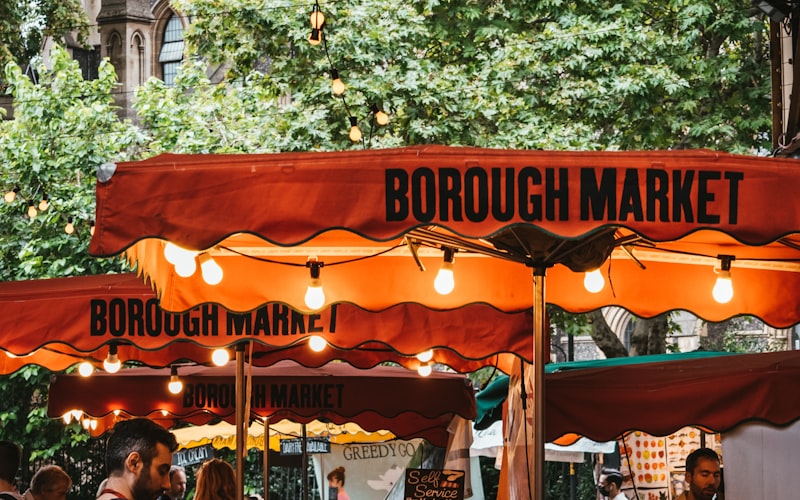
Our daughter insisted on the London Eye and admitted afterwards the money could have gone elsewhere. But she was also the one who led us to Portobello Road in Notting Hill, which costs nothing and turned out to be one of the most visually memorable parts of the trip. The money spent on the London Eye would have covered three meals at Borough Market, which she liked a lot more.
The conclusion they landed on themselves: you don't need to spend a fortune in London to have first-rate experiences. But you do need to know where to look.
As a rough 2026 estimate, a week in London for 4 people can cost between £2,200 and £3,800 depending on accommodation type, activities chosen, and how food is managed. The biggest room for savings is accommodation: choosing a Zone 2 apartment over a Zone 1 hotel can save £400–£650 a week. Free museums cut activity costs significantly. All prices are estimates — always check before you travel.
London is usually seen as the priciest of the three, mostly on accommodation and sit-down dining. That said, the range of first-rate free museums (British Museum, Natural History, Tate Modern, National Gallery) offsets some of that gap. Paris and Rome tend to have more paid museums at higher prices. The GBP exchange rate also matters — when the pound is strong, London gets pricier for anyone spending euros or dollars, so it's worth budgeting in pounds and converting at the actual rate at the time.
The list of free museums in London is genuinely surprising: the British Museum, the Natural History Museum, the Victoria & Albert Museum, the Science Museum, the National Gallery, Tate Modern, Tate Britain, the Museum of London, the National Maritime Museum in Greenwich, the Sir John Soane's Museum, and plenty more (the Churchill War Rooms is a notable exception — that one's paid). All the royal parks are free too: Hyde Park, St James's Park, Regent's Park, Greenwich Park. For families with teenagers, the Natural History Museum and Tate Modern tend to land best.
The main levers: (1) book flights and accommodation at least 2 months ahead. (2) Stay in Zone 2 rather than the centre — 15–20 minutes further out, but up to £100 a night cheaper. (3) Have breakfast from a supermarket and eat at food markets rather than sit-down restaurants every day. (4) Make the most of the free museums, which are genuinely world-class. (5) Book paid activities online ahead of time — usually cheaper than the box office. (6) Use the public transport price cap instead of taxis.
The London Pass bundles entry to a lot of paid attractions, but for families with teenagers who'll make heavy use of the free museums, the value is questionable. To make it worthwhile, work out the paid attractions you'll realistically visit (not the ones you theoretically could) and compare that total against the pass price. In our experience, if you're doing the London Eye plus the Tower of London plus a river cruise plus one more attraction, it can pay off. If most of your activities are free museums or parks, you're better off paying individually. Do the maths on your specific list before buying.
Looking for tours and tickets in London?
Book ahead at the same price as the box office.