
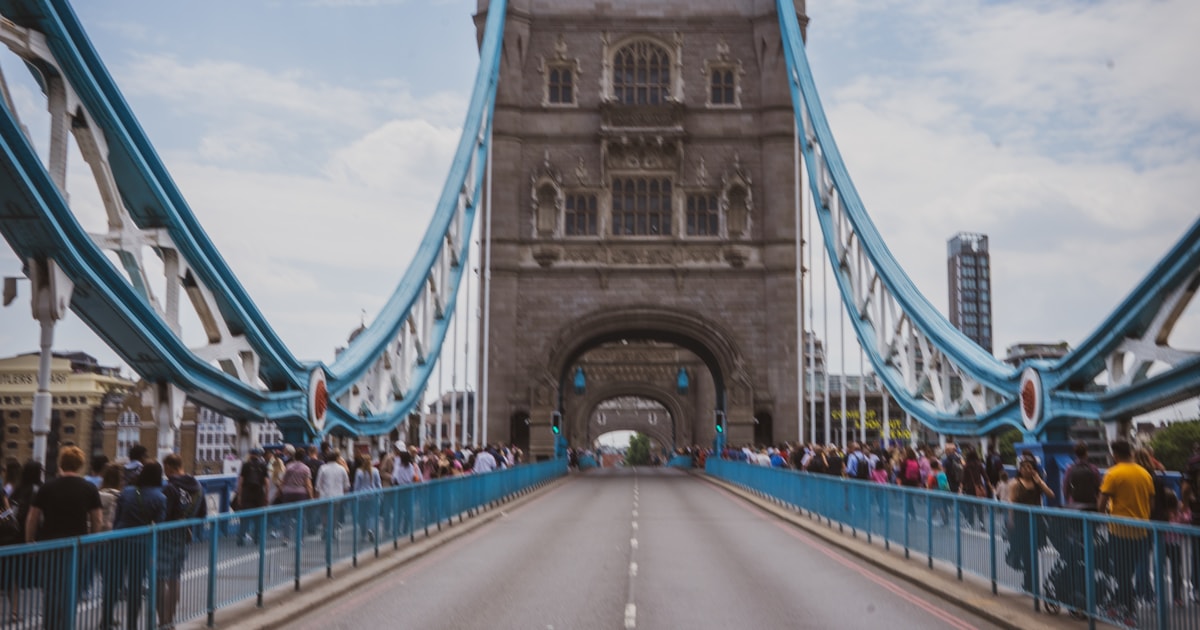
Five days in London with two teenagers. What sounds like plenty of time turns out to be tight once you realise how big the city actually is and how much there is to see. This itinerary isn't theoretical — it's what we actually did, plan changes included, the moments when someone declared they were "done with museums," and the afternoon we ended up in Notting Hill purely by accident and it turned out to be the best part of the day.
You won't see everything. Nobody does. This itinerary prioritises what genuinely works with teenagers: a mix of culture, outdoor space, atmosphere, and one or two higher-adrenaline stops for the days that need it. Everything here runs on public transport — no tours required.
| Day 1 | Westminster & South Bank — Big Ben, Parliament, Tate Modern, Millennium Bridge, Southwark Cathedral |
| Day 2 | British Museum & Covent Garden — British Museum (free), Covent Garden, Seven Dials, Leicester Square |
| Day 3 | Tower of London & East London — Tower Bridge, Tower of London, Brick Lane Market, Shoreditch |
| Day 4 | Hyde Park & Kensington — Hyde Park, Natural History Museum (free), V&A Museum (free), South Kensington |
| Day 5 | Greenwich or Notting Hill — Greenwich Park, Cutty Sark, Portobello Road Market, free time for shopping |
Start with Westminster — it puts everyone on London's mental map straight away. Big Ben, Parliament, Westminster Bridge: these are the images everyone already has of the city, and seeing them in person still lands, even on teenagers who swear they've "seen it all in photos already."
Walk across Westminster Bridge to the south side. From there you've got the Millennium Bridge and Tate Modern: free entry, contemporary art that tends to surprise teenagers more than they expect. You don't need to see it all — an hour in the main galleries goes a long way.
In the afternoon, walk along the South Bank towards Borough Market if it's open (Thursday to Saturday). It's the best plan for dinner or a snack without booking anywhere: food from all over the world at reasonable prices, plenty of atmosphere, and easy to make work when everyone wants something different.
The British Museum is one of the best museums in the world, and entry is completely free. For teenagers, the Egyptian mummies, the Rosetta Stone, and the Greek room with the Parthenon friezes are what land hardest. Don't try to see everything — pick three rooms, enjoy them properly, and leave.
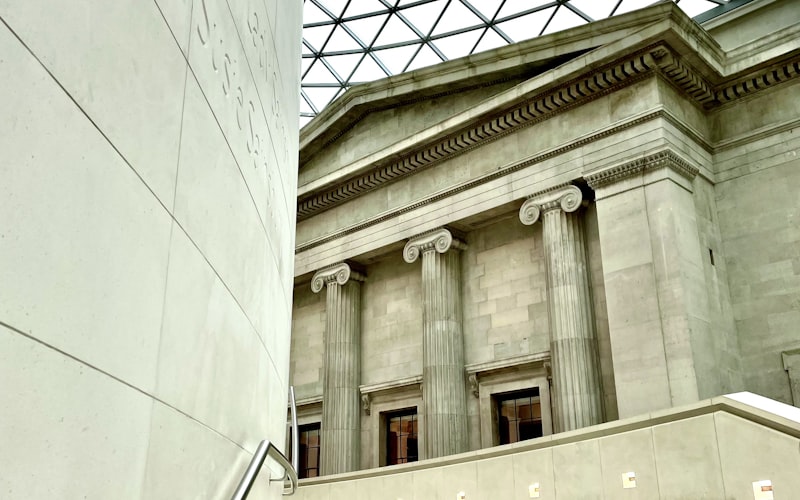
The Great Court alone is worth the visit. The glass roof, designed by Norman Foster, makes for one of the best photos you'll take in London, and it's right at the entrance.
In the afternoon, Covent Garden matches teenagers' pace perfectly: street performers, shops, the covered market atmosphere, and Seven Dials nearby for anyone after independent shops. Leicester Square is 10 minutes away for evening atmosphere or a cinema.
A practical note: on weekdays the British Museum gets a lot of school groups first thing. Arriving at 10am is fine, but avoid Tuesdays and Wednesdays during term time if you can.
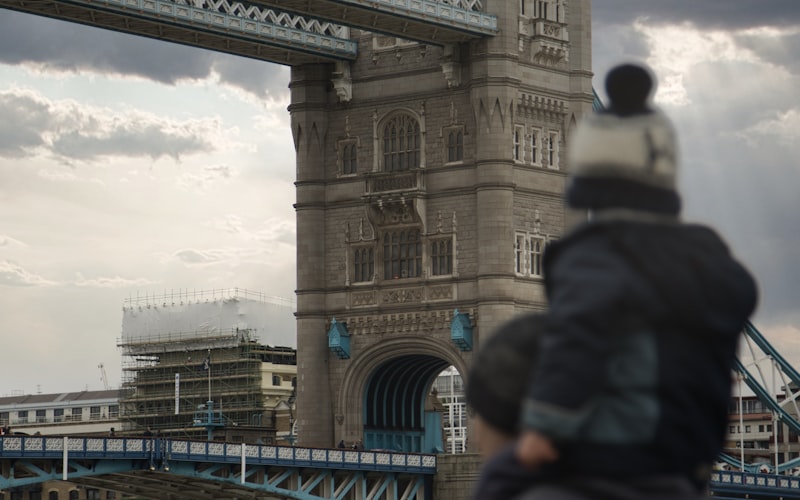
Tower Bridge deserves proper time — not just for the photo, but to walk across it and up onto the glass walkways if heights don't bother you (separate ticket required, but worth it). The Tower of London is right next door: the Crown Jewels impress, especially the people who weren't expecting to be impressed.
In the afternoon, Brick Lane and Shoreditch are the perfect contrast to the historic London of the morning. Street art, vintage shops, food from everywhere, and an atmosphere teenagers tend to find more "authentic" than the tourist circuit. Brick Lane has a market on Sundays; on weekdays it's much quieter.
This is the most intense day of the itinerary in terms of contrast — a morning of history and an afternoon of contemporary urban culture. It works well precisely because the change of pace makes everything easier to take in.
This is deliberately the quietest day of the trip. After three days of constant movement, a calmer day around Hyde Park and South Kensington keeps up momentum without wearing anyone out.
Hyde Park in the morning: it's enormous and there's something for everyone. Teenagers can wander on their own while the adults rest near the Serpentine. In summer the lake has activities; in winter the park has its own charm under the mist.
Mid-morning, the Natural History Museum: free entry, with the blue whale skeleton hanging from the ceiling in the main hall and the dinosaurs as the star attraction. It's one of the best natural history museums in the world. The V&A is right across the road: decorative arts, fashion, ceramics, photography — more interesting than it sounds, and also free.
Free afternoon in South Kensington: a good neighbourhood for a calmer dinner than the centre, with decent options at reasonable prices.
We build the last day around two options, depending on the group's mood:
Option A — Greenwich: Greenwich Park is one of London's best, with city views from the hill. The Royal Observatory, the Prime Meridian line marked on the ground, the Cutty Sark (a Victorian clipper ship) and the free National Maritime Museum. You get there by DLR or boat from the centre, which turns the journey itself into part of the experience. Good for groups who like history and open space.
Option B — Notting Hill: Portobello Road Market, the colourful house fronts, a neighbourhood feel the centre doesn't have. If you land on a Saturday, the market is in full swing. Better for teenagers who prefer street atmosphere over monuments.
We ended up in Notting Hill through a last-minute change of plan, and it turned into the most unexpectedly good afternoon of the whole trip. Sometimes the itinerary you didn't plan is the best one.
Before you go, it's worth having these practical points sorted:
Every day on this itinerary sits within Zones 1–2 of the London Underground, which means the daily price cap on your Oyster or contactless card covers all your travel for the day at a fixed maximum cost (check current fares at tfl.gov.uk).
The free museums (British Museum, Natural History Museum, V&A, Tate Modern) close between 5.30pm and 6pm on most days, with a few late-night openings (Fridays at the V&A, for example). Check the museum's website before each visit.
Five days covers the essentials of London at a comfortable pace. You won't see everything, but you'll see the most representative parts without exhausting anyone. What's left over is a good excuse for a second visit — which, if the first one went well, is usually an easy sell to teenagers. With only 3 days, focus on Westminster, the South Bank and the British Museum; with a week, add a day for the Harry Potter Studios and another for Camden Market.
For this 5-day itinerary, the best areas are: South Bank/Southwark (central, next to Tate Modern and Borough Market), Covent Garden or Bloomsbury (central, near the British Museum with great transport links), or Shoreditch (more modern, Zone 1/2, an atmosphere teenagers enjoy). Anywhere in Zone 1 or Zone 2 with a Tube connection works well. Avoid areas far west like Kensington or Chelsea unless you've got a generous hotel budget.
Most of the itinerary leans on free activities (British Museum, Natural History Museum, V&A, Tate Modern, parks), which keeps ticket costs down. The paid activities here are mainly the Tower of London (around £30 adult, £15 child) and the Tower Bridge walkways if you go up (around £14 adult, £7 child, 2026 estimate). All state museums and parks are free. For the full trip budget, see our article on how much a trip to London really costs for a family of 4.
The most comfortable option for families with luggage is the Elizabeth line (Crossrail): direct, fast, and it reaches the heart of the city in 30–45 minutes depending on your stop. Pay with Oyster or contactless. The Heathrow Express is faster (15 minutes to Paddington) but considerably pricier. A taxi or Uber works, but can be slow and expensive during rush hour.
This itinerary works year-round since most of it is indoors. Spring (April–June) and autumn (September–October) are the best windows: less heat than summer, less rain than winter, and good light for photos. In summer (July–August) there are more tourists and museums can feel busier, but also more daylight hours and better atmosphere in parks and outdoor markets. In winter, London has the appeal of Christmas markets from November onwards and shorter queues at paid attractions.
Looking for tours and tickets in London?
Book ahead at the same price as the box office.