
Discover the authentic soul of New York City through its diverse neighbourhoods. Each of the five boroughs—Manhattan, Brooklyn, Queens, The Bronx, and Staten Island—has its own personality, from the waterfront views of DUMBO to the artistic streets of SoHo.
Find the best spots for families, where to eat, what to see, and insider tips to explore like a local.
✈️
Get practical itineraries, insider tips, and hand-picked deals on tours and attractions—all tested by our family of four.
You have successfully joined our subscriber list.
Join 100+ families traveling smarter | Unsubscribe anytime

Nestled between Brooklyn Bridge and Manhattan Bridge, Dumbo (short for Down Under the Manhattan Bridge Overpass) is located in Brooklyn, along the East River waterfront, just a short distance from Lower Manhattan. As part of The Neighbourhoods of New York, it sits between the historic neighbourhoods of Brooklyn Heights and Vinegar Hill, making it easily accessible by subway, ferry, or even a scenic walk across the Brooklyn Bridge.
He integrado la frase clave de manera natural al destacar que Dumbo forma parte de los diversos barrios de Nueva York.
It’s a waterfront neighbourhood known for its prime location, connecting Brooklyn to Manhattan while offering iconic views and vibrant urban charm.
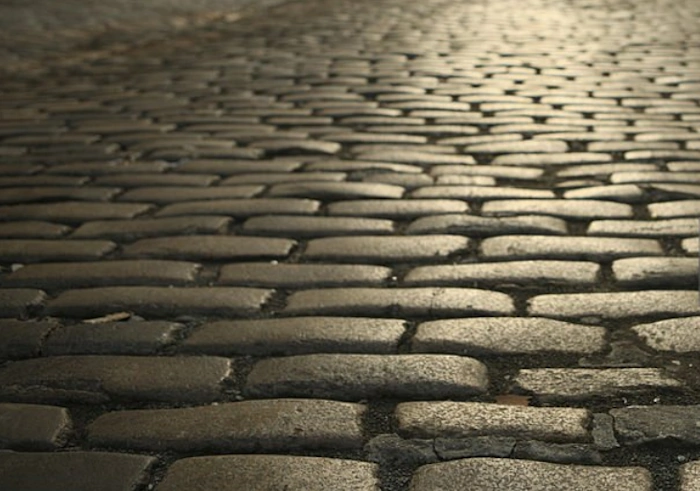
Dumbo’s historic cobblestone streets and red-brick warehouses offer a glimpse into old New York, now transformed into a vibrant, modern neighbourhood. The area seamlessly blends the past and present, with former industrial buildings housing trendy art galleries, boutique shops, and hip restaurants.
As you stroll through the streets, be sure to check out:
The Empire Fulton Ferry section of Brooklyn Bridge Park offers panoramic views of Manhattan and the East River. It’s a photographer’s dream, particularly at sunset.


Dumbo is home to a large portion of Brooklyn Bridge Park, a green urban oasis with:
Dumbo is a hub for creative minds, hosting numerous art galleries and events:
Dumbo’s food scene is as diverse as its community:
Dumbo, short for “Down Under the Manhattan Bridge Overpass,” is not just about its stunning views and cobblestone streets. It’s also a shopping haven, offering a mix of independent boutiques, artisanal stores, and unique finds that reflect Brooklyn’s creative spirit. Here’s a guide to some must-visit spots for shopping in Dumbo:
Location: 32 Adams St, Brooklyn, NY 11201
PowerHouse Books is a haven for photography, art, and design book enthusiasts. Beyond its curated selection, this space serves as a cultural hub, hosting book signings and art events. It’s the perfect place to discover a standout coffee table book or a unique gift.
Location: 143 Front Street, Brooklyn, NY 11201
Step back in time at Front General Store, a vintage lover’s paradise. This eclectic boutique offers curated vintage fashion, accessories, and home goods. From rare denim jackets to retro-inspired glassware, every piece tells a story. It’s a great spot for unique souvenirs or gifts.
Location: 49 Water Street, Brooklyn, NY 11201
Known for its refined design and craftsmanship, Shinola offers luxury watches, leather goods, and bicycles made with exceptional quality. This store blends classic elegance with modern functionality, making it the perfect destination for those who value style and durability.
Location: 57 Pearl St, Brooklyn, NY 11201
The Archway Wine Bar offers a unique experience combining local wines with a cosy atmosphere right next to the Manhattan Bridge, on the BROOKLYN side. It’s the perfect place to unwind, enjoy a wine tasting, and take home a special bottle.
Location: 6 N 5th Street, Brooklyn, NY 11249
Sincerely, Tommy is a stylish boutique known for its high-quality fashion, modern accessories, and minimalist aesthetic. Located in Dumbo, it also features a café, making it the perfect spot to shop for exclusive fashion pieces while enjoying a cup of artisanal coffee.
Location: 80 Pearl St, Brooklyn, NY 11201
Brooklyn Flea Dumbo is an open-air market held on Sundays from April to October. It’s a treasure trove of vintage clothing, handmade crafts, antiques, and artisanal food. This iconic Brooklyn experience is a fantastic spot to shop for quirky and memorable finds.
Location: 85 Water Street, Brooklyn, NY 11201
Almondine Bakery is renowned for its artisanal pastries and breads. From delicate macarons to crispy baguettes, this bakery is the perfect spot for a sweet break while exploring Dumbo.
DUMBO not only offers stunning views of the Manhattan skyline and the iconic Brooklyn Bridge, but it has also become a popular destination for tourists and photographers. The views from Brooklyn Bridge Park are truly spectacular, especially at sunset, when the sky is painted with warm hues.
As one of The Neighbourhoods of New York, DUMBO also boasts a wide variety of cosy cafés, unique boutiques, and designer shops. Enjoy a cup of coffee at one of the many charming spots, such as Brooklyn Roasting Company, renowned for its high-quality brews.
For those seeking outdoor spaces, Brooklyn Bridge Park is the perfect place to take a stroll, have a picnic, or simply relax by the river. This expansive park along the Brooklyn waterfront features lush green spaces, sports courts, and even a small pier for ferry access.
If you’re curious to learn more about DUMBO’s history and evolution, visit the official DUMBO website for information on events and attractions in the area.
Additionally, if you’d like to explore more of New York City’s architectural marvels, check out our article on the best skyscrapers in New York.
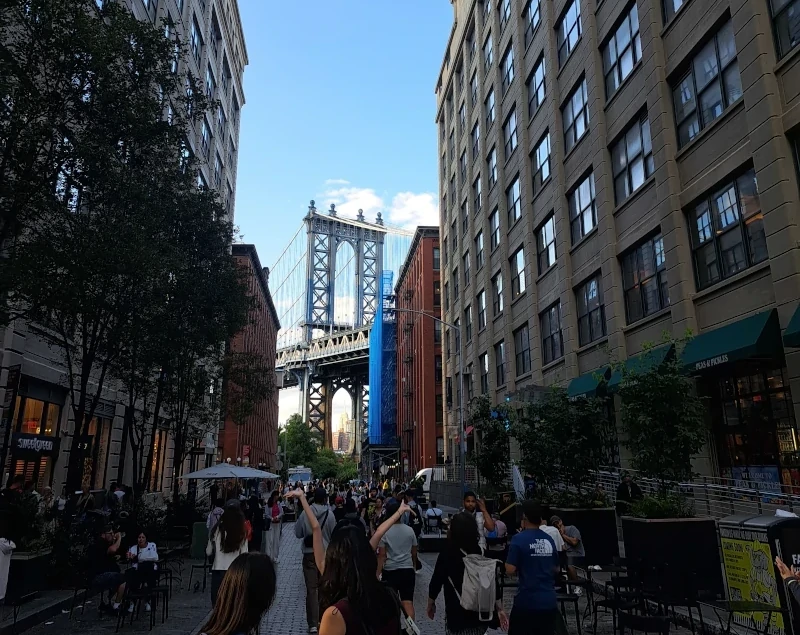
Dumbo, short for “Down Under the Manhattan Bridge Overpass,” is one of Brooklyn’s most captivating neighborhoods, offering a perfect blend of history, art, and modern flair. Nestled between the Brooklyn and Manhattan Bridges, this iconic district provides visitors with a unique New York experience, full of picturesque views, trendy hotspots, and cultural landmarks.
Here are the reasons we believe Dumbo is a must-visit:
One of Dumbo’s biggest draws is its breathtaking views of Manhattan. The famous Dumbo Archway provides an unparalleled view of the Brooklyn Bridge framed by the cobblestone streets, creating an Instagram-worthy photo op. Whether you’re strolling along the waterfront park or enjoying a sunset by the East River, Dumbo offers some of the most memorable vistas in the city. The proximity to the water also provides plenty of chances to capture the stunning skyline of Lower Manhattan and the iconic bridges.
Dumbo’s transformation from an industrial area into a dynamic cultural hub makes it an essential stop for history enthusiasts. Once home to warehouses and factories, today it boasts cobblestone streets and preserved buildings that showcase its industrial past. A visit to the neighborhood offers glimpses of Brooklyn’s evolution, with the magnificent Manhattan Bridge serving as a reminder of its heritage.
Dumbo has become a thriving artistic community, home to numerous galleries, studios, and creative spaces. The Dumbo Arts Center regularly hosts exhibitions, performances, and events that highlight local and international artists. Art lovers can explore murals, sculptures, and installations scattered throughout the neighborhood, contributing to the area’s vibrant atmosphere. The St. Ann’s Warehouse is also a key venue for performing arts, offering a range of experimental and contemporary theatre productions.
For foodies, Dumbo is a treasure trove of culinary delights. The neighborhood is home to a diverse range of dining options, from cozy cafés and artisanal bakeries to upscale restaurants and trendy bars. Whether you’re in the mood for pizza at Juliana’s or a gourmet meal at The River Café, Dumbo’s restaurants serve up world-class flavors with stunning views. The neighborhood also features local markets and food festivals, giving visitors the opportunity to sample Brooklyn’s best bites.
Dumbo is a great place for those seeking unique shopping experiences. The area features an array of boutique shops selling everything from handmade jewelry and clothing to artisanal goods and home decor. These one-of-a-kind stores offer a chance to take home a piece of Brooklyn’s creative spirit.
Dumbo’s convenient location makes it an ideal base for exploring Brooklyn and Manhattan. With easy access to the Brooklyn Bridge Park, Jane’s Carousel, and other iconic landmarks, you’re just a short walk or subway ride away from some of New York’s most famous destinations. Visitors can also take a ferry ride across the East River to enjoy a scenic trip to Manhattan.
The charm of Dumbo lies in its seamless integration of the old and the new. The modern buildings and trendy spots are perfectly juxtaposed with the historic warehouses and cobbled streets. This fusion creates a neighborhood that feels simultaneously grounded in history and forward-thinking, offering something for everyone.
In conclusion, Dumbo is a must-visit neighborhood in Brooklyn. Whether you’re a photographer looking for stunning views, an art lover eager to explore local galleries, or a foodie in search of world-class cuisine, Dumbo provides a slice of New York life you won’t soon forget. With its combination of culture, history, and modern allure, Dumbo captures the essence of Brooklyn and offers visitors a truly unique New York experience.
The Upper East Side and Upper West Side are two iconic neighborhoods in Manhattan, New York, separated by the famous Central Park. Both areas are renowned for their elegance, history, and culture, though they present unique characteristics that set them apart. These neighborhoods offer contrasting but equally captivating lifestyles within The Neighbourhoods of New York.
The Upper East Side, located to the east of Central Park, is famous for its mansions, exclusive residential buildings, and luxury shops along Madison Avenue. This neighborhood has been home to some of the city’s most influential families, giving it an air of exclusivity and prestige. One of the main attractions of the Upper East Side is Museum Mile, a cultural district housing world-renowned museums like the Metropolitan Museum of Art and the Guggenheim. Strolling through its quiet streets, lined with lush trees and historic buildings, offers a glimpse into the luxury and serenity of this area, making it perfect for those looking to explore New York’s art, history, and classical architecture. The upscale cafés and restaurants provide a stylish setting for a meal or a drink.
On the other hand, the Upper West Side, located west of Central Park, offers a more relaxed, bohemian atmosphere with a rich cultural vibe. Here, you’ll find the prestigious Lincoln Center, which hosts opera, ballet, and concert performances. The streets of the Upper West Side are filled with cozy cafés, independent bookstores, and boutique shops, giving the neighborhood a vibrant, welcoming feel. Additionally, Riverside Park, which runs along the neighborhood, provides beautiful green spaces along the Hudson River, perfect for walking, exercising outdoors, or simply enjoying panoramic views, especially at sunset. The Upper West Side is ideal for families and those seeking a less formal cultural environment compared to its eastern counterpart.
Both neighborhoods offer an unparalleled New York experience. If you’re interested in learning more about the city’s top cultural spots, be sure to check out our Guide to Iconic and Must-See Places in New York as part of The Neighbourhoods of New York experience.
SoHo, located in the lower part of Manhattan, is one of New York’s most iconic neighborhoods, known for its unique blend of luxury shops, art galleries, and distinctive architecture.
This neighborhood, named after “South of Houston Street”, is a fashion hotspot for both locals and tourists, offering one of the best shopping experiences in the city.


Additionally, the neighborhood is home to some of the best contemporary art galleries in the city, making it a gathering place for art lovers. Notable spots include The Drawing Center, a nonprofit exhibition space at 35 Wooster Street that focuses on the exhibition of drawings, both historical and contemporary.
Among The Neighbourhoods of New York, this area stands out for its cultural significance, including venues like the Guggenheim Museum SoHo, designed by architect Arata Isozaki and opened in 1992 at 575 Broadway. This branch of the Guggenheim Museum operated until 2001, offering exhibitions of American paintings and works on paper from the 1920s to the 1950s.
While the Guggenheim Museum SoHo is no longer in operation, its legacy continues to influence the area’s vibrant art scene.
SoHo is also ideal for families, as many shops and galleries are family-friendly. On weekends, there are outdoor markets, activities for children, and cultural events that attract visitors of all ages. For example:
These activities make SoHo and its surroundings a great spot for families to enjoy art, culture, and fun!
The strategic location of SoHo, close to other popular areas such as Tribeca, Chinatown, and Greenwich Village, makes it an excellent starting point to explore the Lower Manhattan. From here, visitors can enjoy a wide variety of restaurants, cafés, and bars, making it a great place to spend an entire day.
After a day of shopping and exploration, we recommend heading to one of the nearby beautiful parks, such as Central Park or Washington Square Park, to relax and enjoy nature amidst the urban buzz.
Discover more about these green spaces in our guide to New York’s parks as part of The Neighbourhoods of New York experience.
Williamsburg, located in Brooklyn, is one of New York’s trendiest and most dynamic neighborhoods. Known for its diverse population, Williamsburg has historically been home to many communities, including a notable Jewish community. In recent decades, the neighborhood has undergone a transformation, becoming a cultural and artistic hub that perfectly exemplifies the unique charm found across The Neighbourhoods of New York.

Today, Williamsburg is a vibrant area filled with a wide variety of cafés, restaurants, and vintage shops. Its streets are adorned with colorful murals, art galleries, and creative spaces that invite visitors to explore. The neighborhood is also famous for its bars and nightclubs, where you can enjoy live music and cultural events reflecting the neighborhood’s dynamic spirit. Whether you’re a fan of indie boutiques or high-end vintage stores, there’s something for everyone. You can discover more about Williamsburg’s artistic scene through its official website.
In addition, Williamsburg offers stunning views of the Manhattan skyline from its riverside along the East River. Parks like East River State Park are ideal places to relax and enjoy the urban landscape. Here, visitors can spend a pleasant time watching boats pass by and the city lights illuminate the night. The park is also a perfect spot for a peaceful walk or picnic with friends and family.
When visiting areas where Jewish communities reside, it’s essential to be respectful, as many value their privacy. Here are some key guidelines to follow:
Williamsburg has a rich cultural fabric, and it’s crucial to approach the area with sensitivity. To learn more about being a respectful visitor, you can access resources from community organizations like the New York City Commission on Human Rights.
Williamsburg is a place that blends culture, art, and style, making it an essential destination for any traveler looking to experience the essence of New York. Whether you’re exploring its eclectic shops, enjoying live music, or taking in the stunning views of the city, Williamsburg offers an authentic New York experience that captures the city’s creative and cultural spirit.

Chinatown, located in Manhattan, is one of New York’s most vibrant and bustling neighborhoods. It is roughly bounded by Canal Street to the north, Bowery to the east, Chatham Square to the south, and West Broadway to the west. This cultural enclave stands out for its mix of traditional shops, markets full of fresh produce, and, of course, some of the best authentic Chinese restaurants in the city. With over 150 years of history, Chinatown has served as a major meeting point for Chinese immigrants who arrived in the United States seeking new opportunities, making it an ideal place to explore the rich history of this community.

The neighborhood is famous for its lively atmosphere, especially during the Chinese New Year, when the streets come alive with parades, fireworks, and colorful decorations. This event, which celebrates the arrival of spring according to the lunar calendar, offers an impressive visual display with dragon dances, traditional music, and a variety of activities that attract both locals and tourists. Don’t forget to try the delicious dim sum (steamed buns) and dumplings, which are a true feast for the senses.
In addition to indulging in its gastronomy, Chinatown offers the chance to visit temples such as the Mahayana Temple, which is the largest Buddhist temple in New York. There are also small museums that tell the story of the Chinese community in the city, such as the Chinatown Museum, which offers exhibits on the history and culture of the Chinese in New York. Be sure to take a stroll through Columbus Park, a place where residents gather to practice tai chi and play cards, offering a glimpse into the daily life of the community.
Chinatown is perfect for walking, trying something different, and experiencing the most authentic and multicultural side of New York. Additionally, it is located near other neighborhoods like Little Italy, allowing you to make the most of your visit. While exploring, remember to be respectful of the environment and the community. Try learning a few words in Chinese to interact with the locals; a simple “xie xie” (thank you) can make a big difference. And if you’re taking photographs, make sure to ask permission before capturing people, as this gesture shows respect for the privacy of the community. This consideration is especially important in a neighborhood where culture and traditions are highly valued. By following these simple guidelines, you will make your experience more enriching and respectful.
Chinatown is one of The Neighbourhoods of New York that offers a truly unique experience. Known for its vibrant markets, delicious street food, and rich cultural heritage, it’s a place where visitors can immerse themselves in Chinese traditions. From exploring temples to enjoying dim sum, Chinatown is a must-see.

Little Italy is located in Manhattan, roughly bordered by Canal Street to the south, Broome Street to the north, Lafayette Street to the west, and Bowery to the east. While the neighborhood has significantly shrunk over the years, its charm and cultural significance remain intact. Today, it blends seamlessly with surrounding areas like Chinatown, offering visitors a unique contrast of cultures.
Little Italy is a standout among The Neighbourhoods of New York, offering a rich Italian-American heritage that has deeply influenced the city’s culture. This historic area invites visitors to wander its cobblestone streets, enjoy authentic Italian cuisine, and experience events like the annual Feast of San Gennaro. Traditional bakeries, family-run trattorias, and specialty shops add to its charm, making it a vibrant and nostalgic destination. Whether savoring a fresh cannoli or exploring its storied history, Little Italy captures the essence of old-world New York with a distinctly Italian flair.
Little Italy is a vibrant neighborhood brimming with Italian-American history, delicious food, and lively streets. Here’s what you can enjoy:
Feast on Authentic Italian Cuisine: The heart of Little Italy lies along Mulberry Street, lined with traditional Italian restaurants and trattorias. Popular spots include Lombardi’s Pizza, often hailed as the first pizzeria in the United States, and Ferrara Bakery & Cafe, famous for its cannoli and gelato.
Celebrate the Feast of San Gennaro: This annual festival, held every September, celebrates Italian culture with parades, live music, food stands, and colorful decorations. It’s one of the most anticipated events in the neighborhood, drawing visitors from all over the world.
Shop Italian-Style: Little Italy offers boutique stores and specialty shops selling everything from Italian leather goods to artisanal olive oils and wines. Strolling through the streets, you’ll find unique souvenirs that reflect the area’s rich heritage.
Little Italy was once home to thousands of Italian immigrants who arrived in the late 19th and early 20th centuries. It became a hub for Italian culture, family-owned businesses, and community gatherings. While much of the Italian population has since moved to other parts of New York, Little Italy retains its historical charm and significance.
For history enthusiasts, a visit to the Italian American Museum is a must. Located on Mulberry Street, it showcases the experiences of Italian immigrants in New York City, preserving the legacy of this vibrant community.
Absolutely! Little Italy is adjacent to Chinatown, making it easy to explore both neighborhoods in a single visit. A quick stroll down Mulberry Street transitions into the bustling streets of Chinatown, offering a diverse cultural experience.
While Little Italy is lively year-round, visiting during the Feast of San Gennaro in September is particularly special. The streets come alive with decorations, festive music, and an abundance of food stands serving Italian classics like sausage and peppers, zeppole, and meatball heroes.
Little Italy is more than just a tourist destination; it’s a living piece of history. Whether you’re indulging in authentic Italian dishes, exploring the area’s immigrant history, or simply soaking in the lively atmosphere, this neighborhood offers a unique glimpse into New York City’s multicultural fabric.
From its historic landmarks to its culinary delights, Little Italy is a must-visit for anyone exploring Manhattan.
Specialty: Thin-crust coal-fired pizza.
Why Go: The first pizzeria in the United States, famous for its Margherita pizza.
Specialty: Cannoli, tiramisu, and gelato.
Why Go: An iconic bakery serving Italian desserts since 1892.
Specialty: Thin-crust pizza and handmade pasta.
Why Go: A modern Italian-American spot with authentic flavors.
Specialty: Classic Italian cuisine with a romantic ambiance.
Why Go: A perfect spot for a date night with excellent service.
Specialty: Southern Italian cuisine.
Why Go: A family-friendly restaurant with generous portions.
Specialty: Italian comfort food.
Why Go: Known for its lively atmosphere and group dining.
Specialty: Brick oven pizza and Italian classics.
Why Go: A charming spot with a beautiful outdoor garden.
Specialty: Fresh seafood and Italian-American dishes.
Why Go: A Little Italy staple for seafood lovers.
Specialty: Traditional Italian dishes.
Why Go: A family-owned restaurant serving authentic Italian cuisine since 1902.
Specialty: Italian-American fare with a modern twist.
Why Go: A trendy spot with a vibrant atmosphere and outdoor seating.