
Join us on this complete guide to visiting Copenhagen in 4 days with kids: colorful canals, neighborhoods full of character, Viking history in Roskilde, a Sweden side trip to Malmö and Lund crossing the Øresund (the strait separating Denmark from Sweden), and even a Danish football match. A family itinerary planned so everyone enjoys it equally — toddlers, teens and grandparents included.
Copenhagen has one of the most efficient public transport systems in Europe, which makes getting around Copenhagen easy and fast from minute one, including the arrival from the airport. We went with the metro + walking + bicycle combo and didn’t need a single taxi in four days.
Copenhagen Airport (Kastrup, CPH) is just 13 minutes from the city center by metro. The M2 line runs directly from the terminals to key stations like Kongens Nytorv, with frequencies between 4 and 6 minutes throughout the day.
The ticket costs around 36 DKK (about €5) and you buy it from the machines at the station. The fastest, cheapest and most comfortable way to reach downtown the moment you land.
The taxi exists, but in Copenhagen it’s expensive. Expect to pay between 250 and 350 DKK (€35–50). It only makes sense if you arrive very late with a mountain of luggage and you’re a group.
Once in the city, getting around is very easy. Copenhagen has metro, bus, S-tog (suburban train) and a bike-lane network that is the envy of any European city.
Copenhagen isn’t a city you can wear out in a day. It has neighborhoods with their own personality, iconic monuments and corners that don’t make it into the paper guides. Before we dive into each spot, here’s a quick visual lap of what — for us — were the must-see things to do in Copenhagen in 4 days. Hover over the carousel to pause the spin.
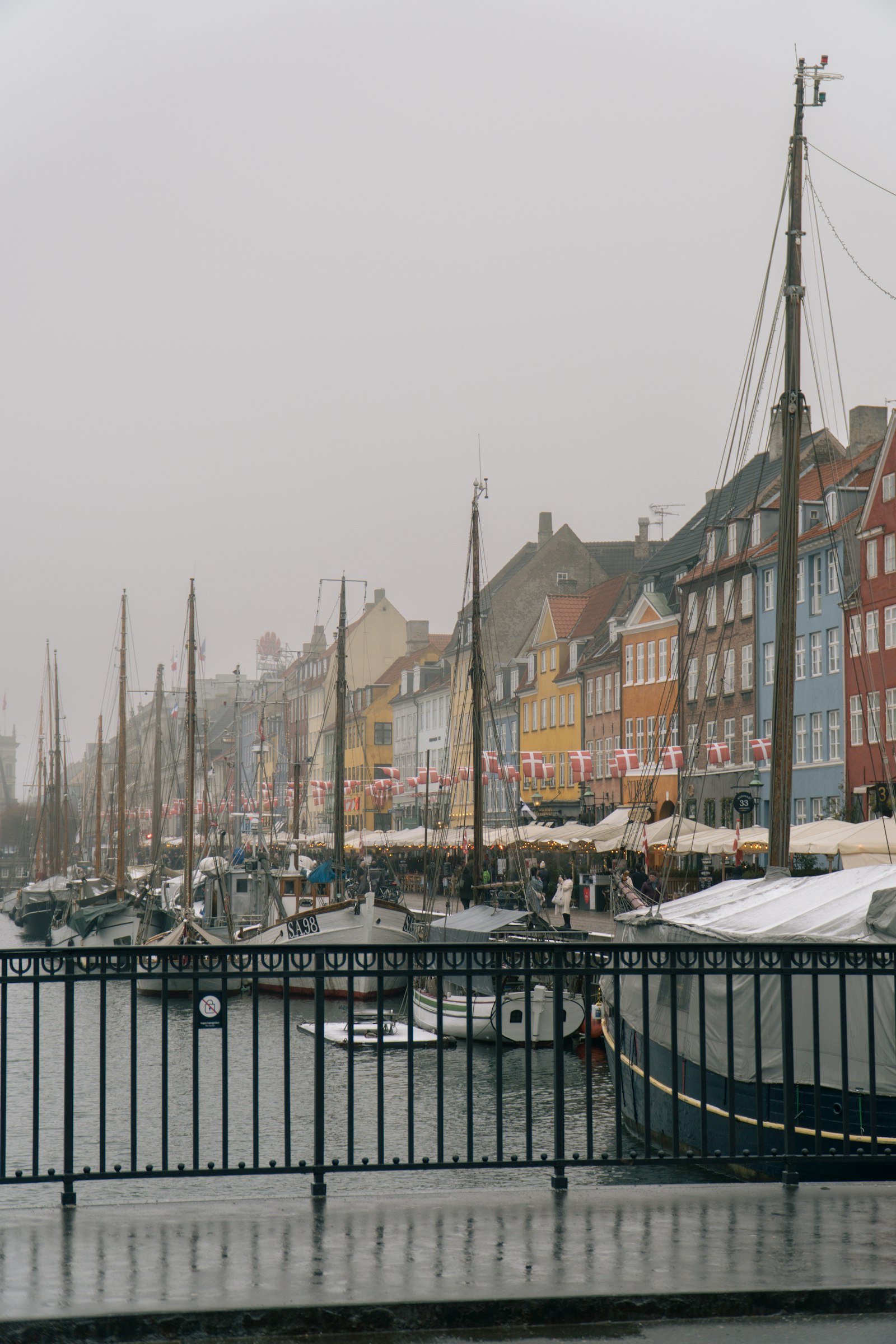
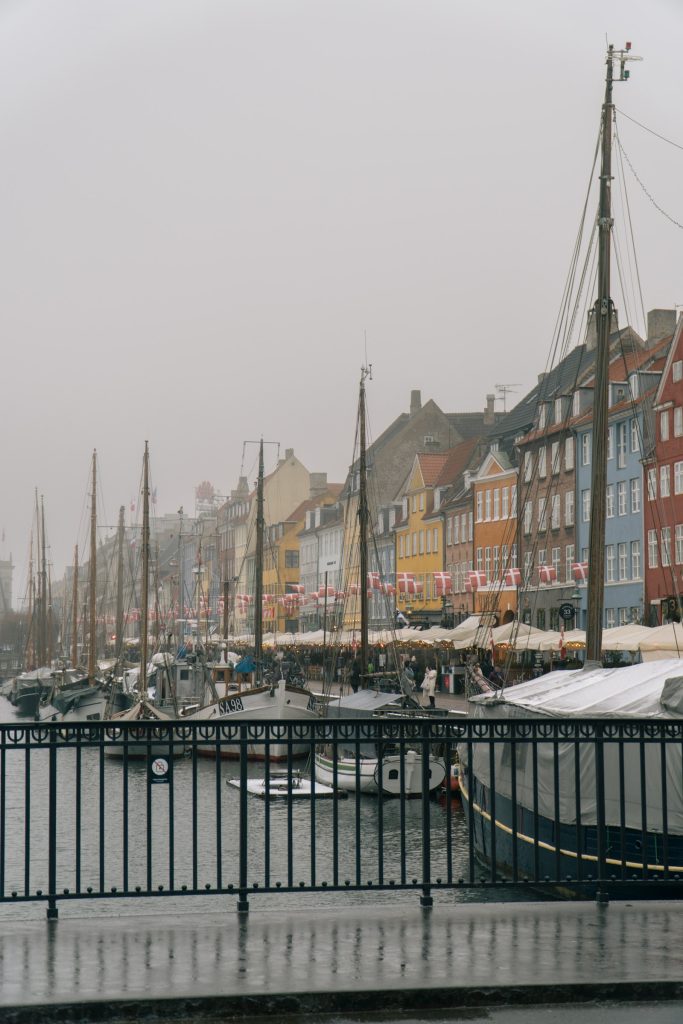
The Nyhavn canal is the most recognizable postcard of Copenhagen, and rightly so. The brightly colored facades, the historic sailing boats moored along the quays and the lively terraces make it magnetic at any time of day.
The best time to visit is early in the morning, before the tour groups arrive, or at sunset when the light bathes everything in orange. Hans Christian Andersen lived in three different houses on this canal — look for the commemorative plaques as you stroll.
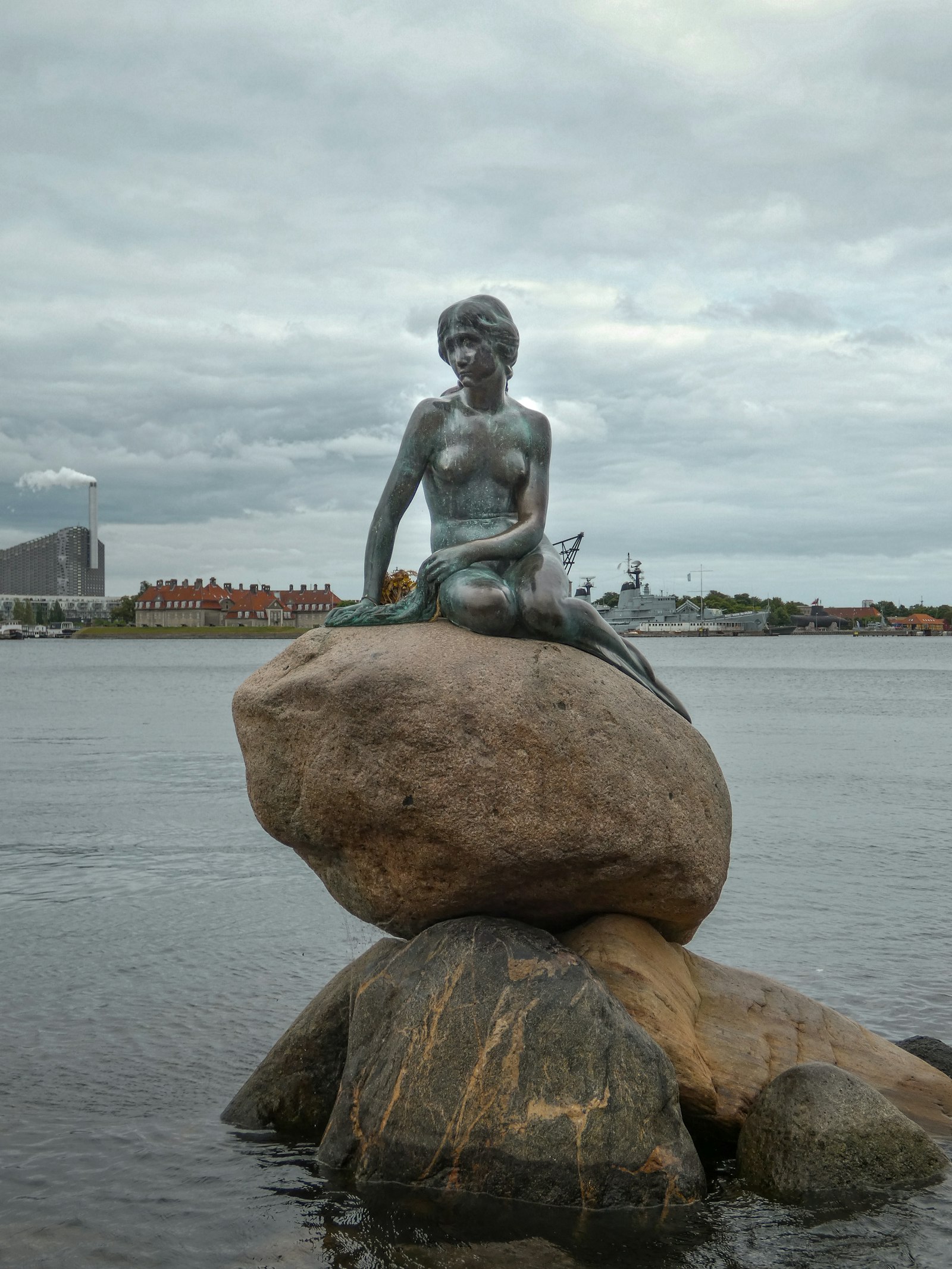
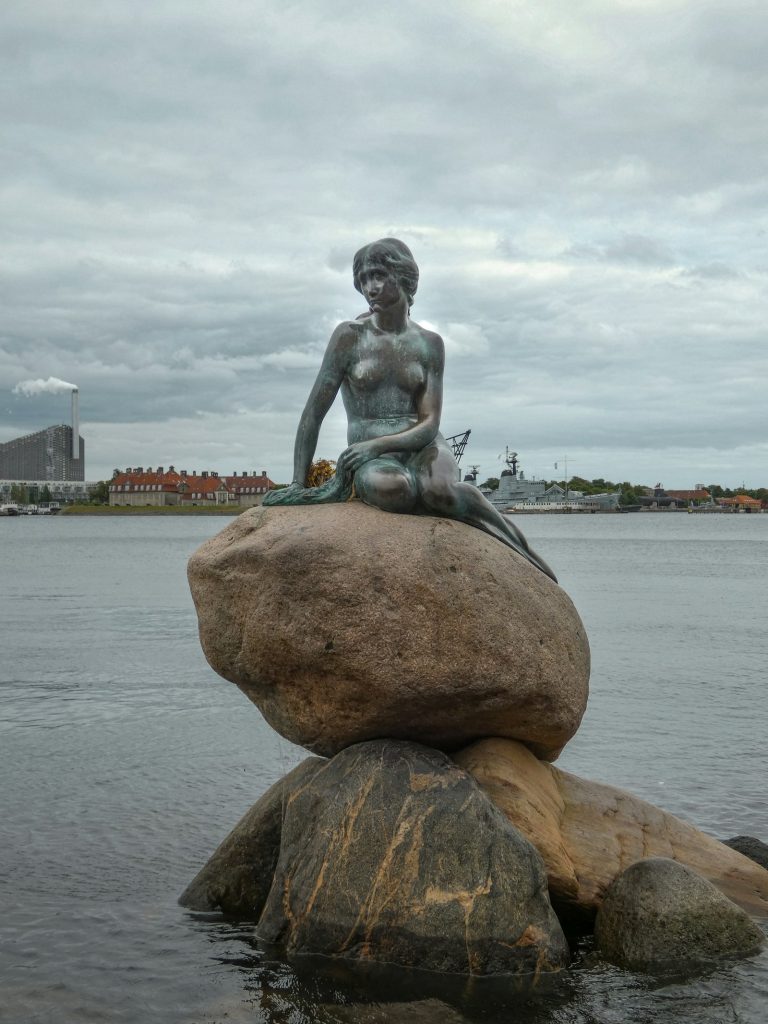
Let’s be honest: The Little Mermaid (Den Lille Havfrue) is small. Very small. The bronze sculpture inspired by the Hans Christian Andersen tale measures barely 1.25 m and sits on a rock by the water in the harbor. Many travelers arrive expecting something monumental and get a surprise.
Is it worth seeing? Yes — it’s part of the soul of the city and the walk to get there is lovely. But manage expectations and don’t make it the centerpiece of your day.
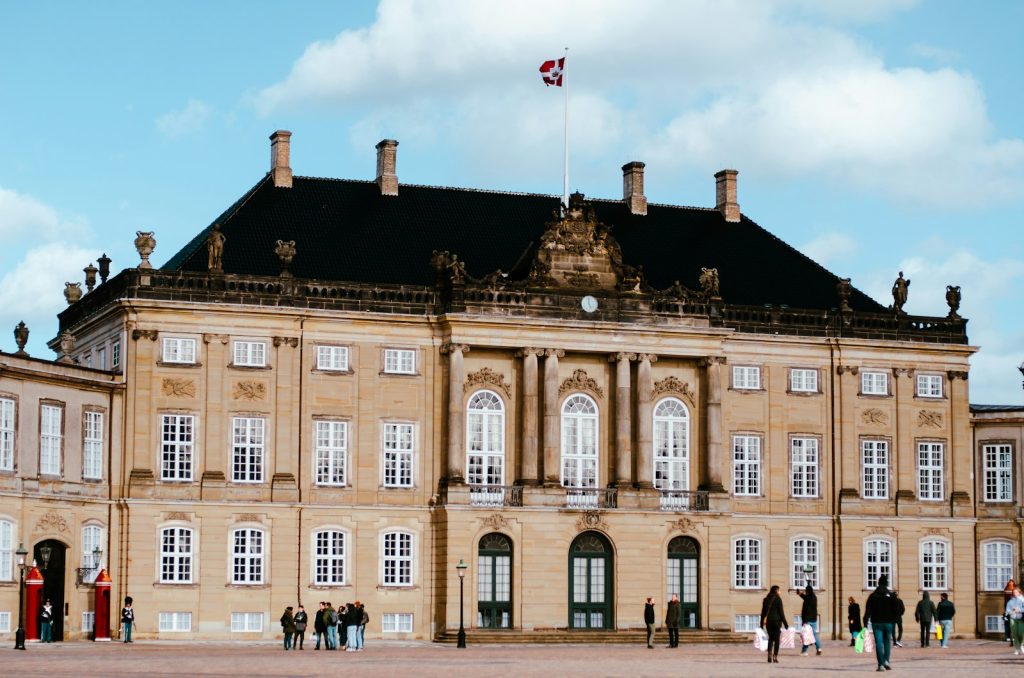
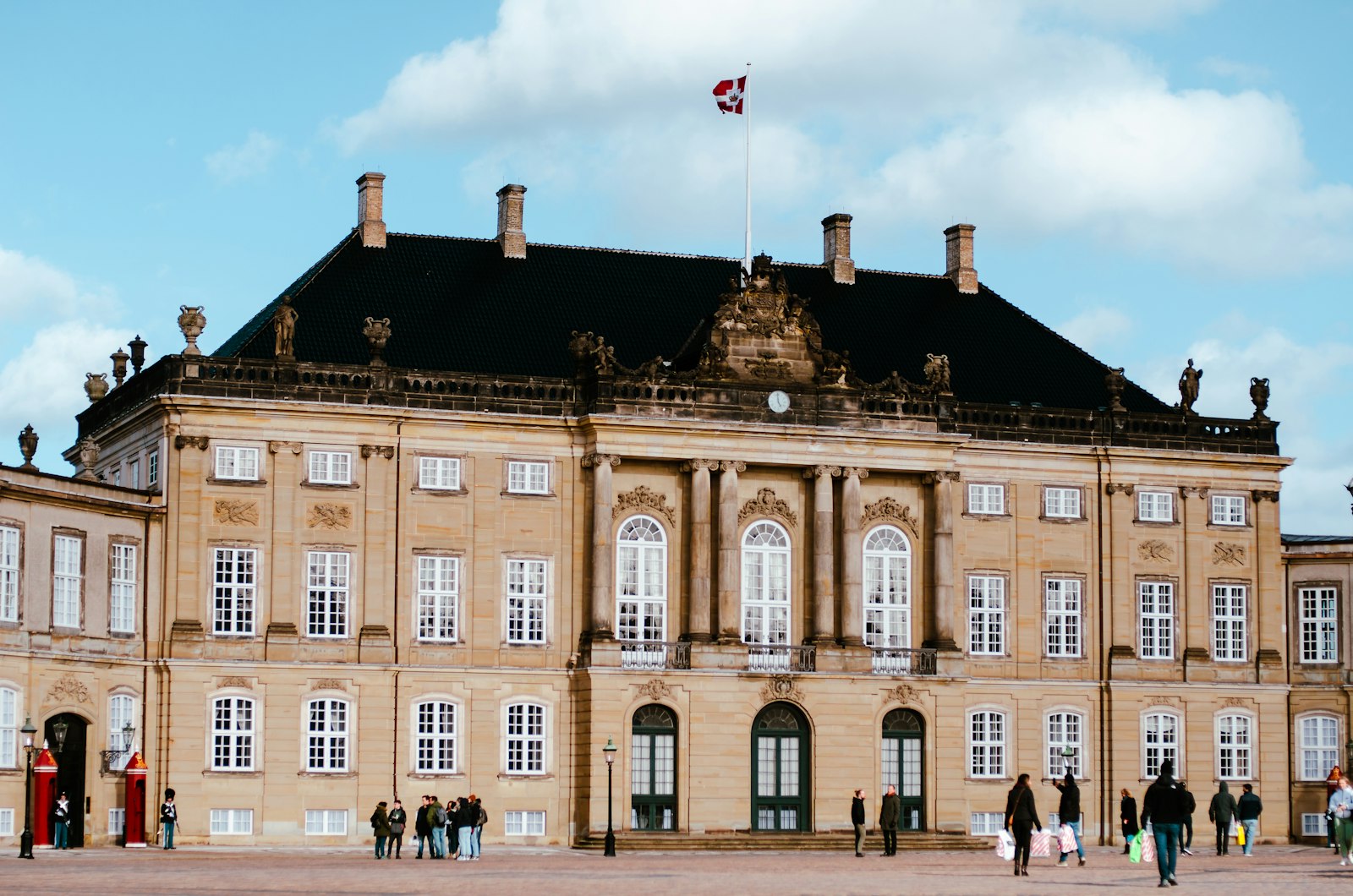
Amalienborg Palace is the official residence of the Danish royal family and one of the most elegant architectural ensembles in the city. It’s formed by four identical palaces around an octagonal square with an equestrian statue at the center.
If you time it right, you can catch the changing of the guard at noon when the royal family is in residence. The Royal Guard (Livgarden) marches from Rosenborg Palace to Amalienborg in a route that is itself a small show — and one of the easiest free family-friendly things to do in Copenhagen with kids.
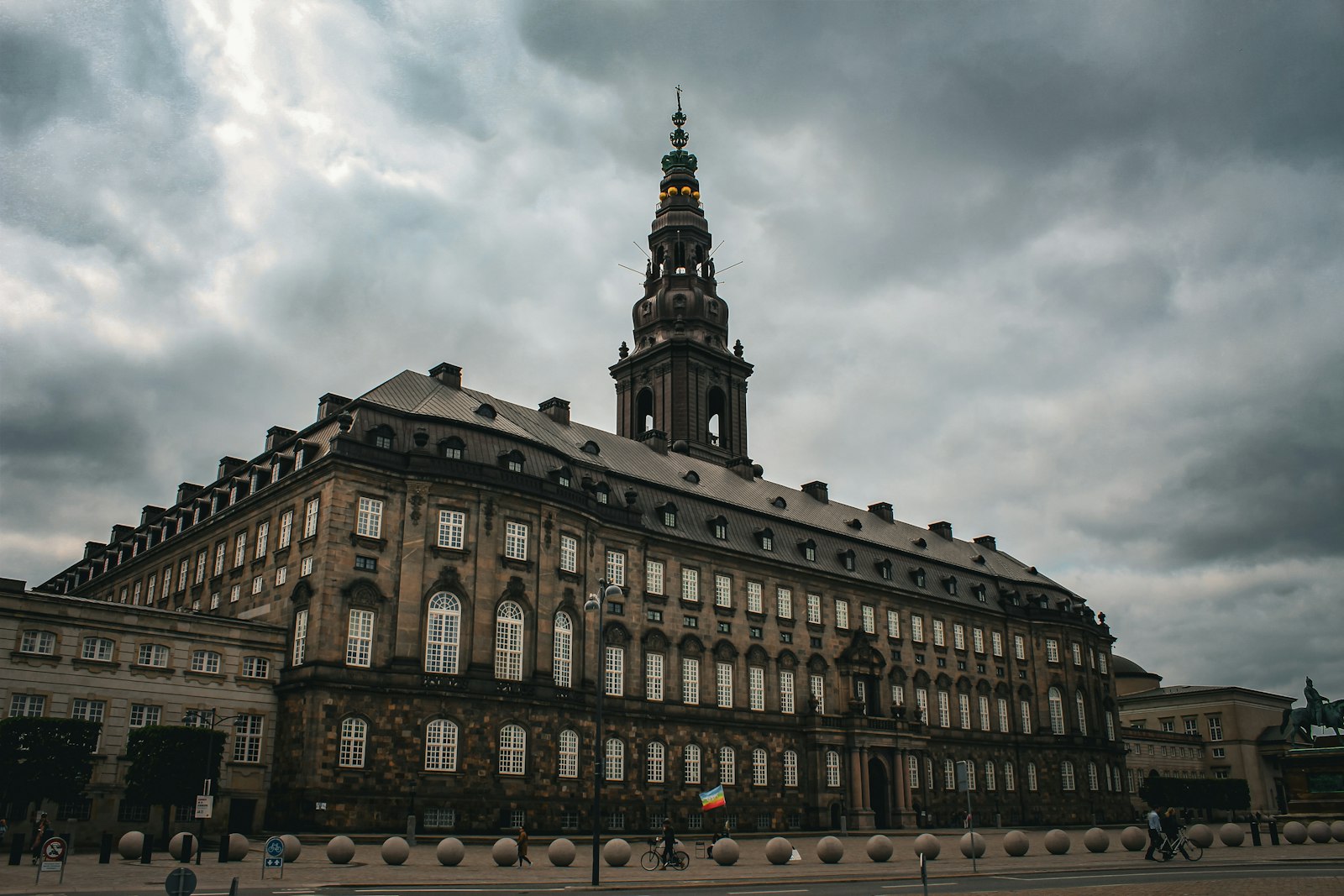
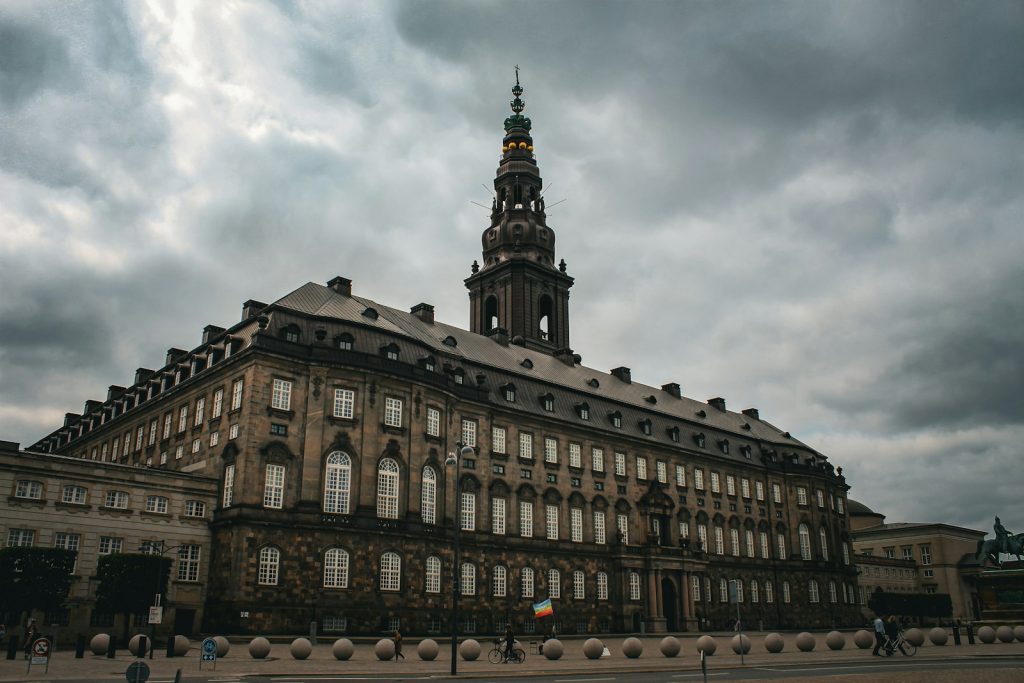
Christiansborg Palace is the only building in the world that hosts the three branches of state at the same time: the Danish Parliament (Folketing), the Supreme Court and the Prime Minister’s offices. It also has royal reception rooms open to the public.
The towers offer one of the best panoramic views of Copenhagen and — best of all — the climb is free. It sits on Slotsholmen island, right in the historic heart of the city, surrounded by canals.
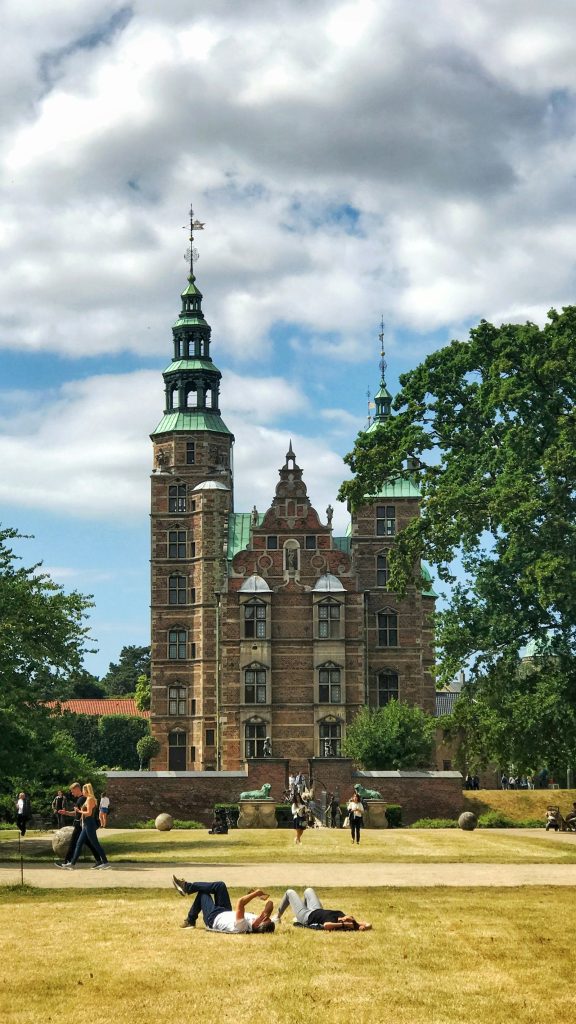
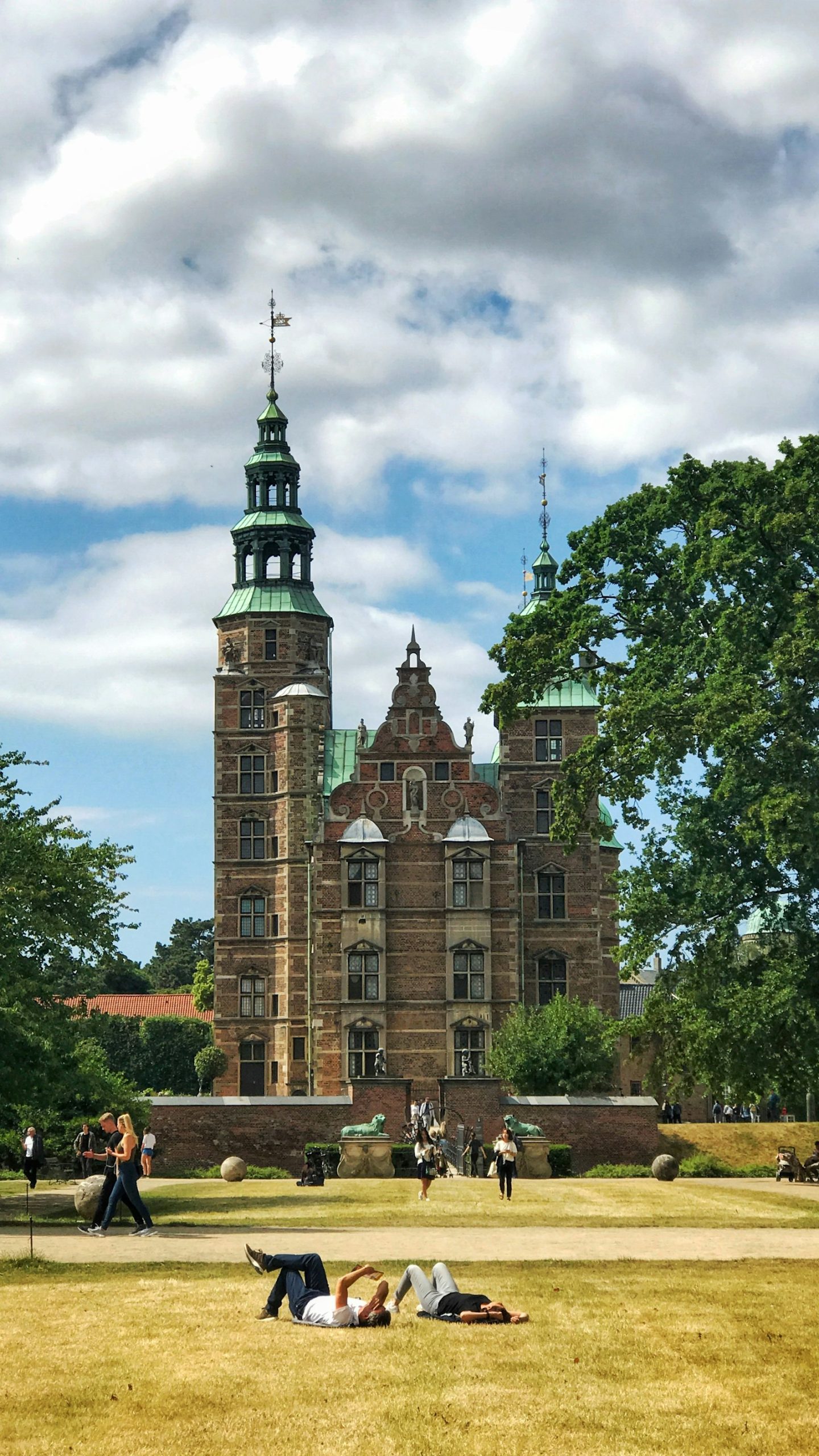
Rosenborg Castle (Rosenborg Slot) is one of the prettiest palaces in Copenhagen and holds the treasures of the Danish crown, including the royal jewels. It was built in the 17th century as a summer residence for King Christian IV and is one of the most visited museums in the country.
It’s surrounded by the King’s Garden (Kongens Have), the oldest public park in Denmark and a local favorite for picnics in summer. If the weather plays along, it’s the perfect plan for a calm morning with the kids.
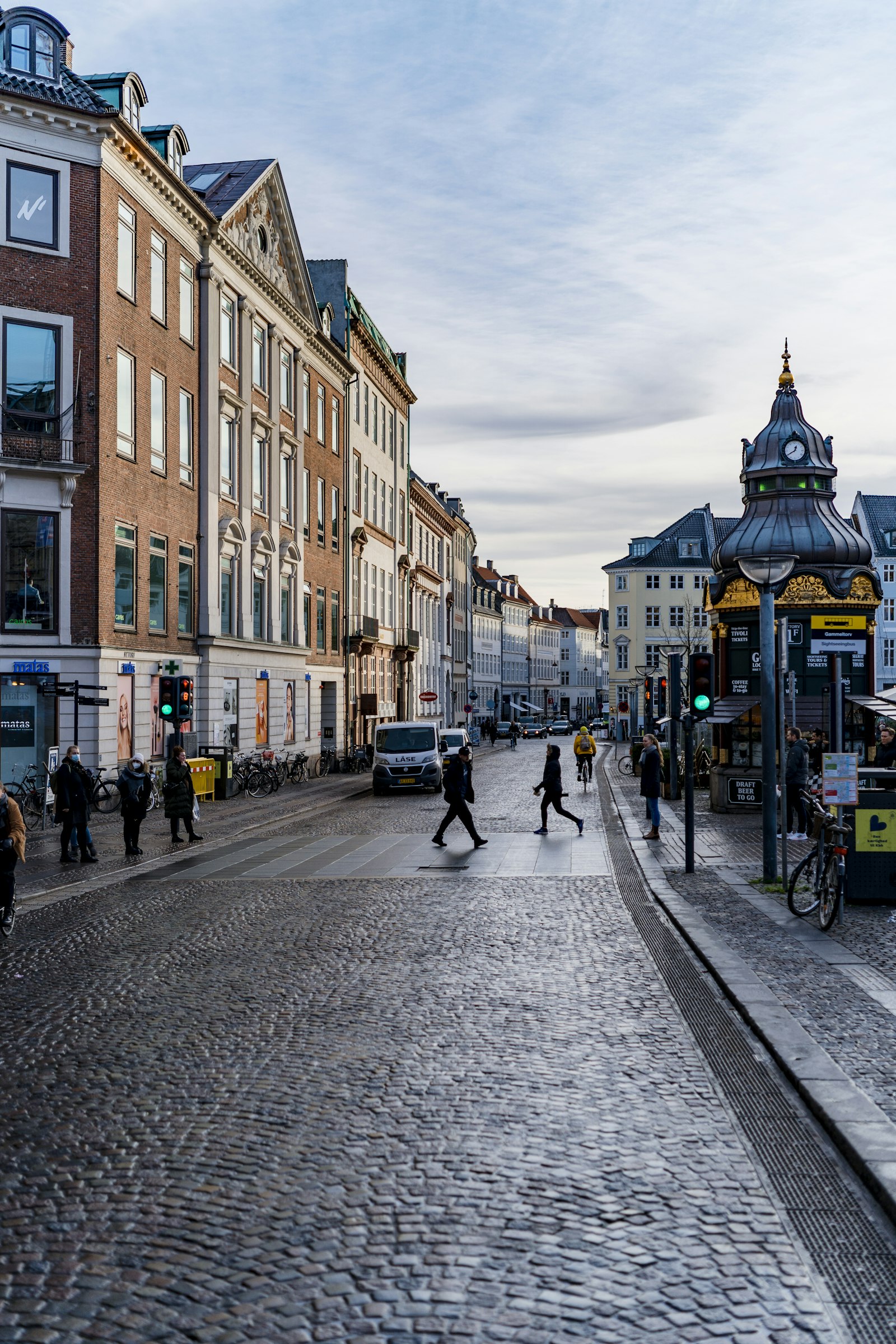
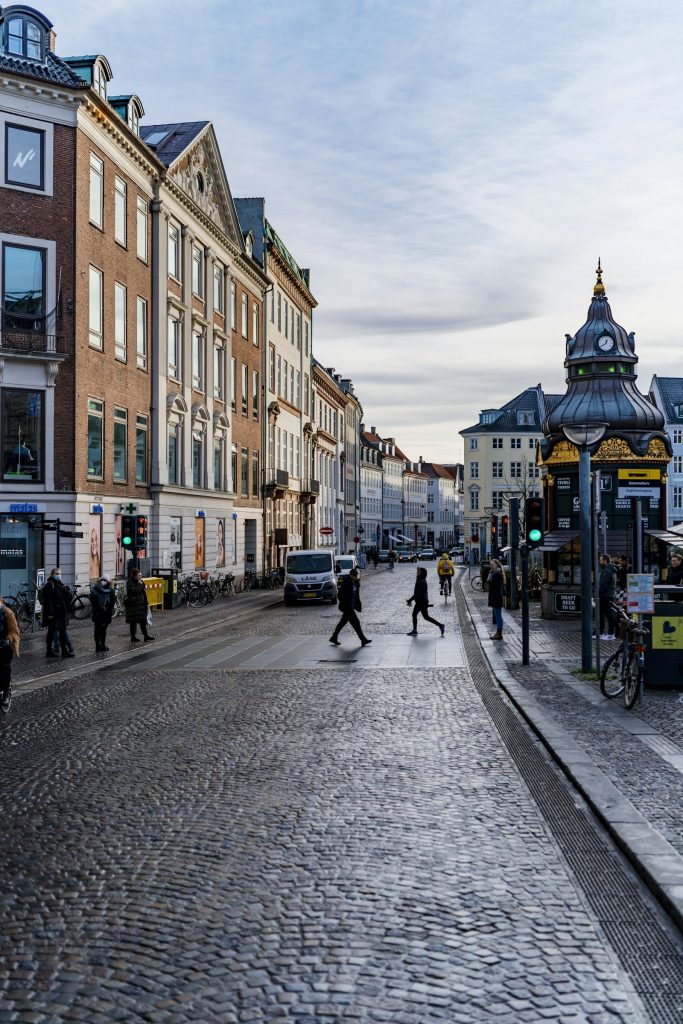
Strøget is one of the longest pedestrian streets in Europe — it stretches for nearly 2 km from City Hall Square (Rådhuspladsen) to Kongens Nytorv. Along the way you’ll find everything from luxury shops to international chains, cafés, street artists and some of the city’s liveliest squares like Gammeltorv and Nytorv.
It’s the spine of the historic center and you’ll inevitably end up walking it more than once.
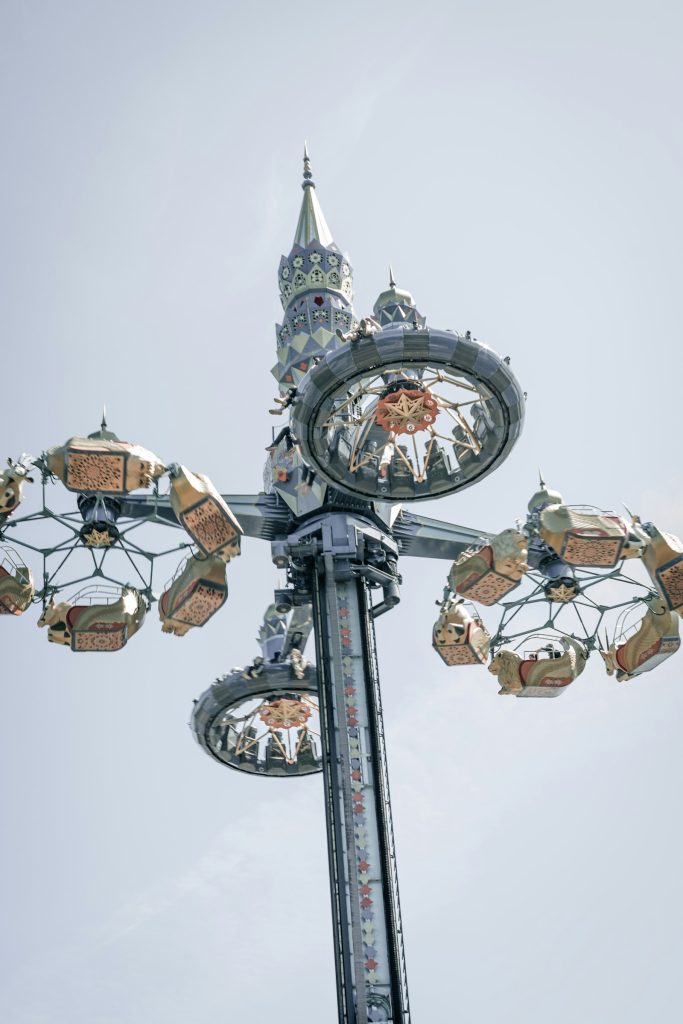
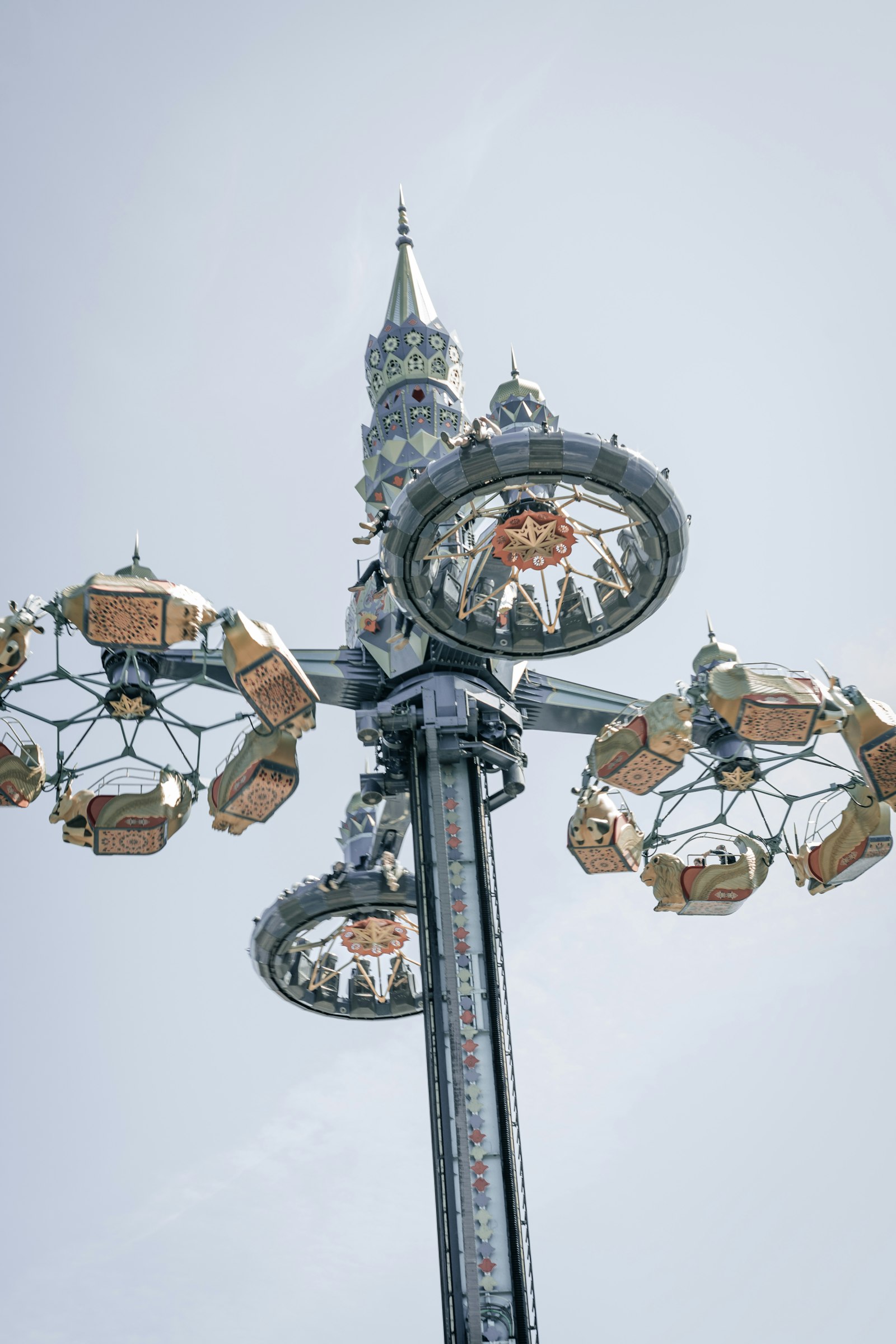
Tivoli Gardens is no ordinary amusement park. Opened in 1843, it is one of the oldest theme parks in the world and a cultural institution in Denmark. Walt Disney visited Tivoli before building Disneyland and was inspired by it.
It has rides for every age, spectacular gardens, restaurants and a magical atmosphere — especially after dark when everything lights up. Entry is around 150 DKK (about €20) and rides are paid separately. Although it looks like a kids’ plan, adults love it just as much. Tivoli with kids is a guaranteed family afternoon.
The Church of Our Saviour (Vor Frelsers Kirke) stands out on the Copenhagen skyline thanks to its baroque tower with an external spiral staircase wrapping the spire. Climbing the 400 steps up to 90 m gives you one of the best panoramic views of the city, the canals and — on clear days — the Swedish coast.
The final stretch of the outer staircase is narrow and exposed, so if you’re afraid of heights, factor that in. Entry is around 75 DKK.
Right next door, Christiania is one of the most peculiar neighborhoods in Europe. Founded in 1971 by a group of hippies who occupied an old military base, it calls itself a “free town” and runs by its own rules. Walking its alleys full of murals and alternative buildings is a one-of-a-kind experience. Pusher Street, where cannabis is sold openly though illegally, is part of its reality — photographing it is forbidden. Visit with an open mind, respect and zero provocation.
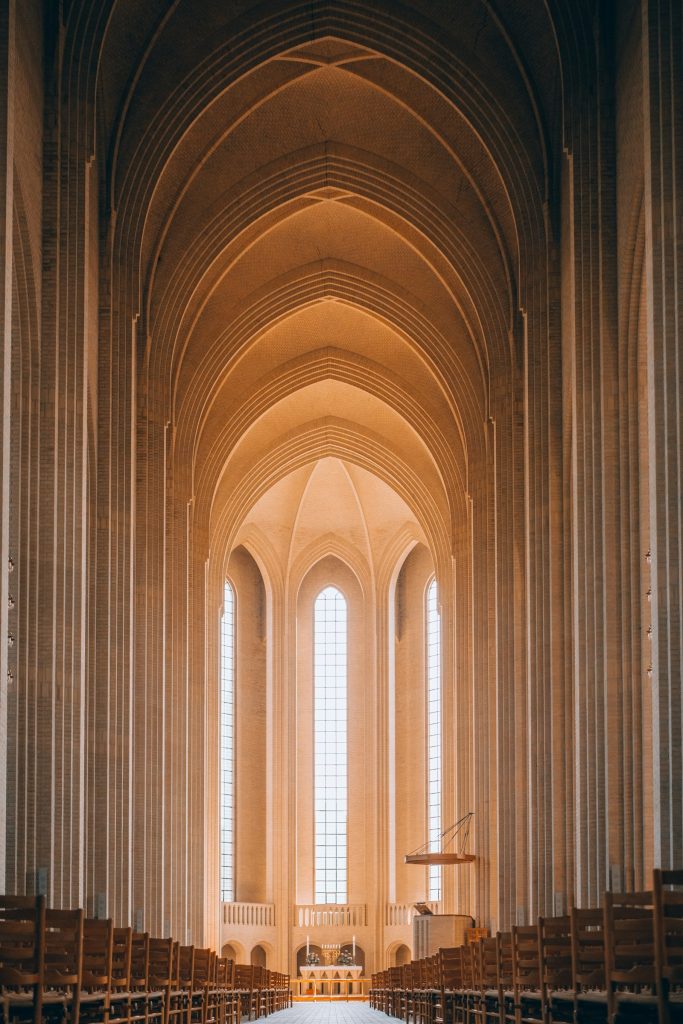
One of the perks of using Copenhagen as a base is that within a one or two hour radius you have destinations that easily justify a full day out. We did two day trips from Copenhagen we’d recommend without hesitation.
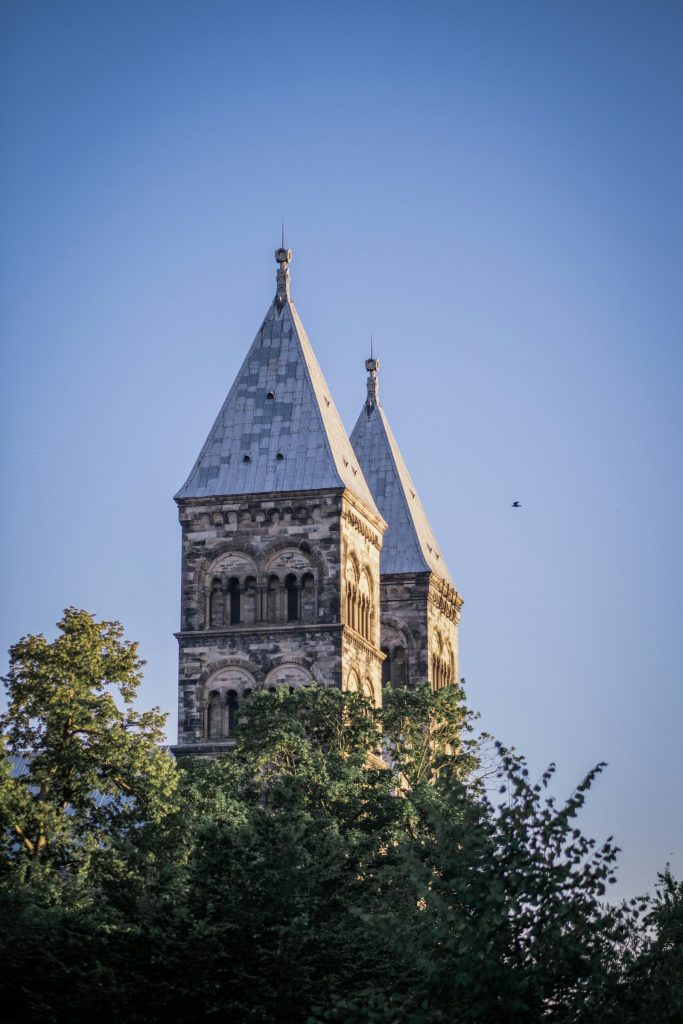
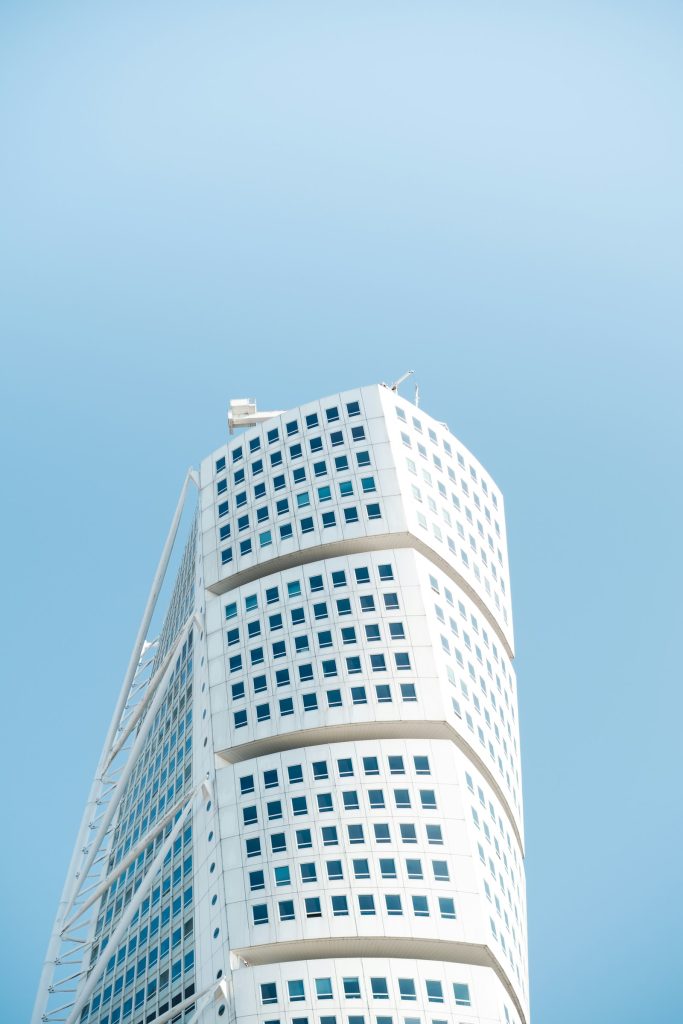
This is one of the most special day trips from Copenhagen: in a single day you cross the Øresund bridge (yes, the one from the TV series!) and visit two completely different Swedish cities. We spent the morning in Lund and the afternoon in Malmö, and the combo was perfect.
Morning in Lund: Lund is a small university town with huge charm. The Lund Cathedral (Lunds domkyrka) is one of the best-preserved Romanesque temples in Scandinavia and well worth the visit. The quiet vibe, cobblestone streets and student-town energy make Lund a very pleasant stop before the buzz of Malmö.
Afternoon in Malmö: Malmö feels very different — more urban, more multicultural and with architecture that mixes the historic with the ultra-modern. Don’t miss Lilla Torg, the prettiest square in town, and the Turning Torso, a 190-meter twisting skyscraper that dominates the skyline. The fascinating part: the entire building actually twists 90 degrees from base to top, so the strong winds blowing from the sea hit it at an angle and slide around the structure instead of pushing it sideways — a clever engineering trick to reduce lateral load. We were genuinely impressed.
The train from Copenhagen Central Station (København H) takes just 35–40 minutes to Malmö and crosses the spectacular Øresund bridge. Lund is 15 minutes further south on the same regional train.
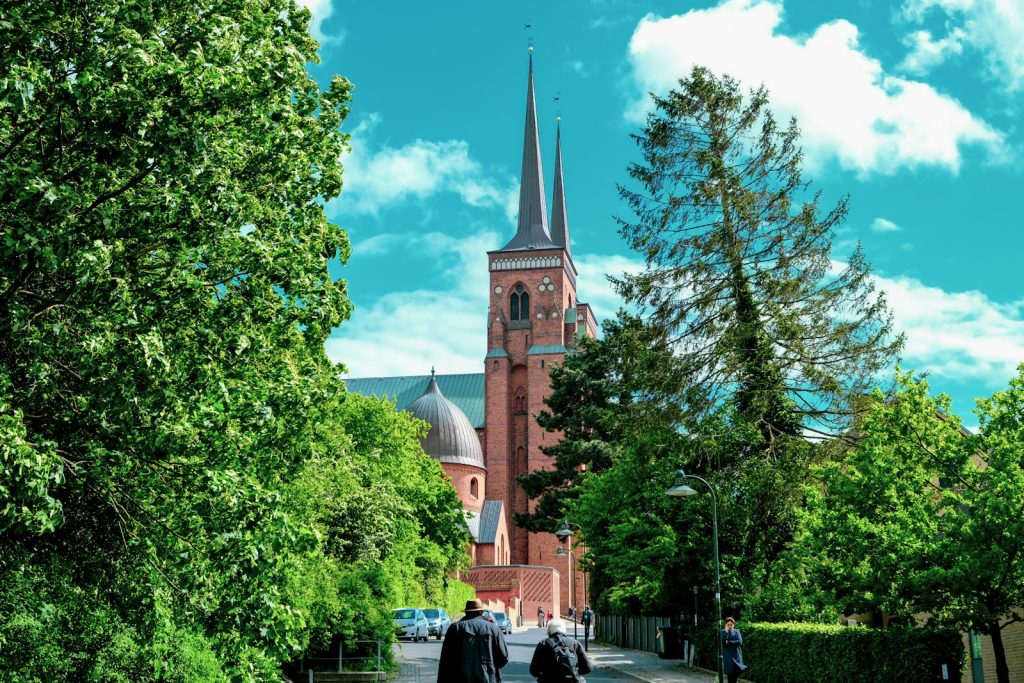

Roskilde is one of those cities that surprises you with how much it packs into so little space. Just 30 minutes by train from Copenhagen, it’s the perfect morning excursion. We went on Sunday morning before the football match and were back with time to spare.
Roskilde Cathedral: A UNESCO World Heritage site, it has been the official burial place of Danish kings since the 15th century. It holds the tombs of more than 40 monarchs and its Gothic brick architecture is unique in Scandinavia.
Viking Ship Museum (Vikingeskibsmuseet): This is the main event. The museum preserves five original 11th-century Viking ships recovered from the fjord, alongside seaworthy replicas built using medieval techniques. It’s one of the most fascinating museums in Denmark and a winner with kids.
If you have more days or want to stretch the trip, around Copenhagen there are other destinations worth a quick visit. Frederiksborg Castle, in Hillerød, is one of the most architecturally spectacular in the country, and Kronborg Castle, in Helsingør, is the real-life setting of Shakespeare’s Hamlet. Both are reachable by train in under an hour from Copenhagen.
If you’re traveling to Copenhagen and you’re lucky enough that the FC Copenhagen are playing at home, don’t hesitate: go to the match. It’s one of those plans outside the standard tourist circuit — and you’ll remember it far more than another museum ticket.
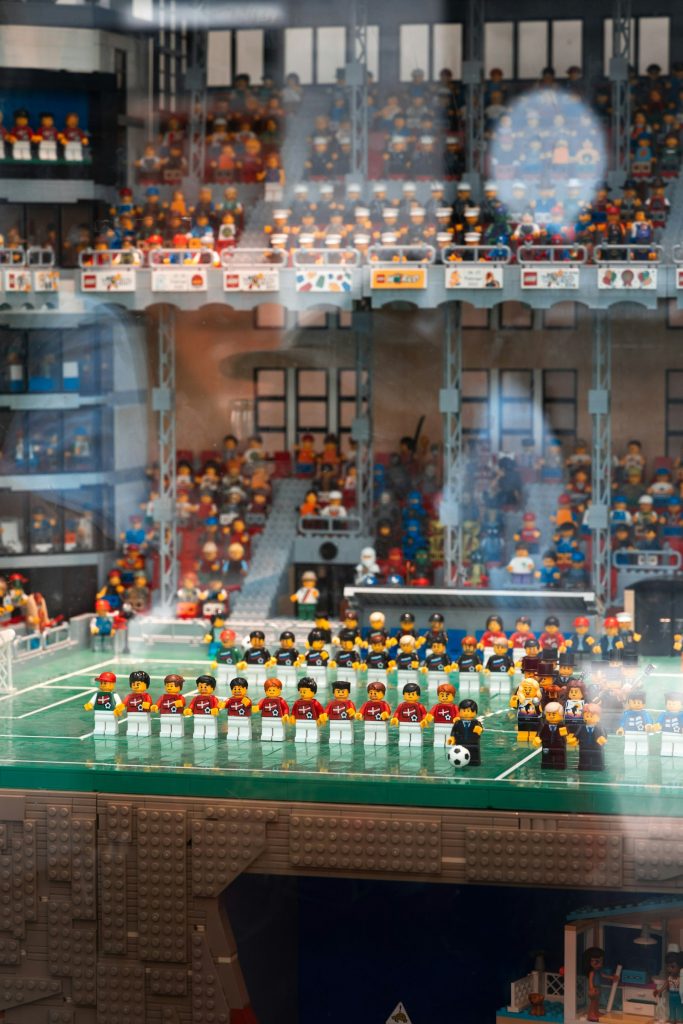
We saw FC Copenhagen vs Silkeborg IF in the Danish Superliga, and the home team smashed it: 7–0. The atmosphere at Parken Stadium was great — passionate but family-friendly, without the tension you sometimes feel in other European leagues. Honestly, what surprised us most was what the fans were drinking on the stands: very different from the Spanish or English football culture we’re used to.
Parken Stadium is the national stadium of Denmark and home to FC Copenhagen, with capacity for around 38,000. It’s well connected by metro (Østerport station) and tickets can be bought easily on the club’s official website.
FC Copenhagen (FCK) is the most successful club in Denmark, with more than 15 league titles, and a regular face in European competitions. Watching a match at Parken pairs nicely with an afternoon in the Østerbro neighborhood, where there are plenty of bars and restaurants for before or after kick-off.
Copenhagen is one of the most expensive cities in Europe to eat in. But that doesn’t mean you have to live on sandwiches or stare at menus with your heart in your mouth. With a bit of strategy, you can eat very well in Copenhagen without breaking the bank.
Reffen: Copenhagen’s biggest street food market. Set in the old shipyard at Refshaleøen, right by the water, it brings together dozens of stalls with cuisines from all over the world at very reasonable prices for the city. The vibe is fantastic, especially in summer. The perfect plan for an informal, varied family meal.
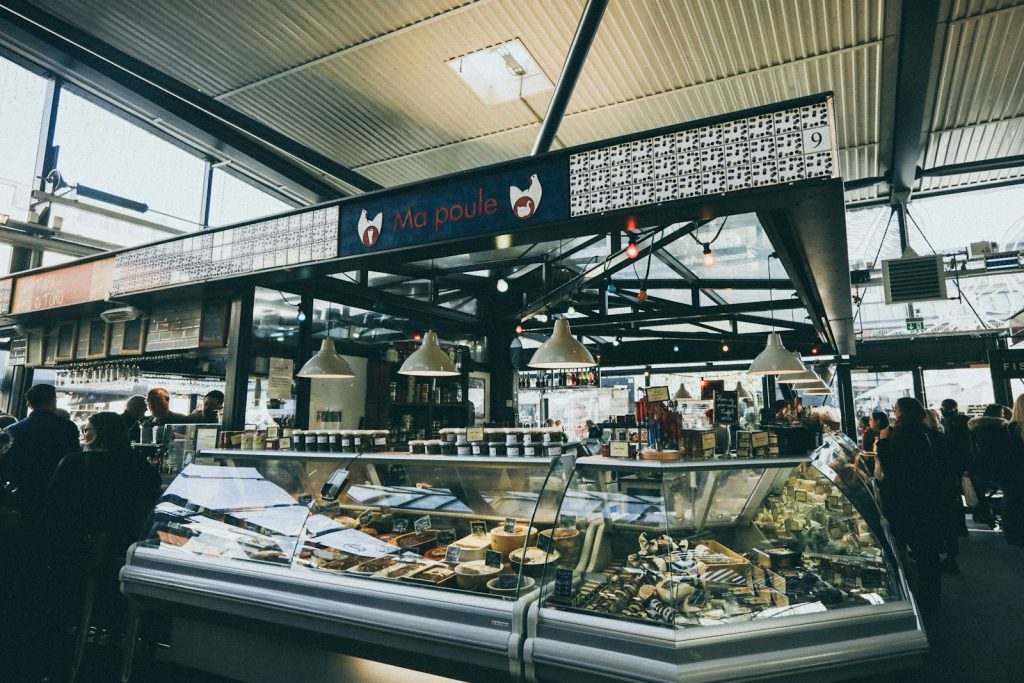
Torvehallerne: The most beautiful covered market in Copenhagen, right next to Nørreport station. Two pavilions full of cheese, fruit, spices, coffee, smørrebrød and quality Danish gastronomy stalls. Ideal for breakfast, a light lunch or just snacking your way around. Prices are mid-to-high but quality matches.
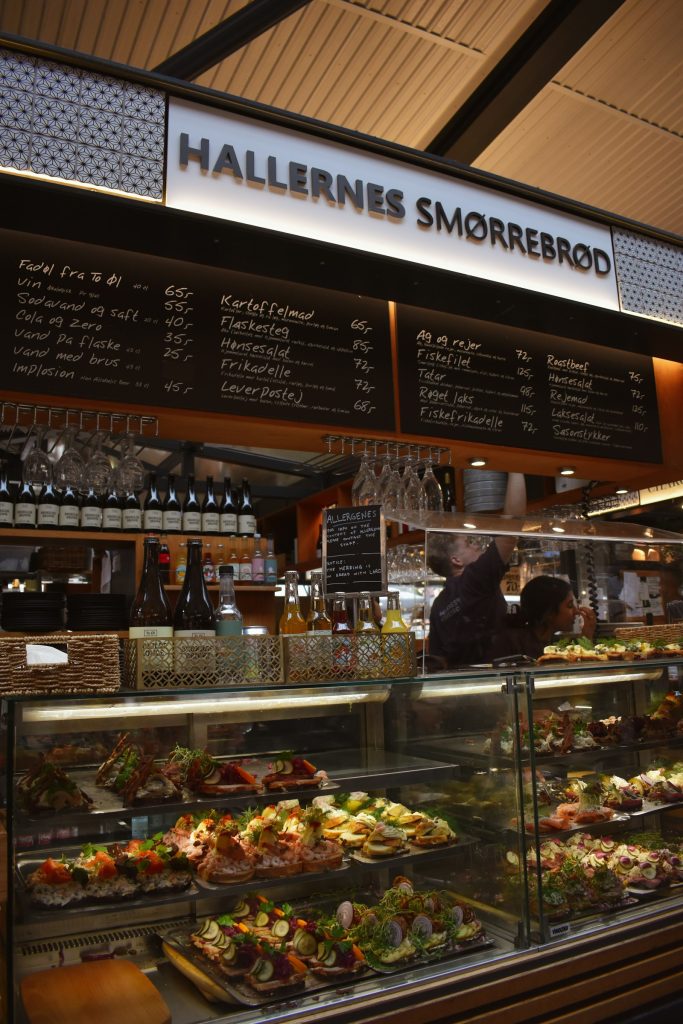
Smørrebrød is the quintessential Danish open sandwich: a slice of dark rye bread (rugbrød) topped with infinite combinations — pickled herring, roast beef, shrimp, egg, cheese. Cheap, filling and delicious. Look for local bakeries and cafés outside the tourist zones to find it at a fair price.
Our personal find: Hereford Village. We tried smørrebrød there along with grilled salmon — both excellent. Honest food, generous portions and a price that doesn’t turn dinner into a stressful event.
For dinner without the Michelin-star bill (and Copenhagen has a lot of starred restaurants), look in the Vesterbro and Nørrebro neighborhoods. The value-for-money there is much better than in the historic center. The Danish food scene has evolved hugely in recent years and you’ll find everything from contemporary Nordic cooking to very well executed world cuisine.
One night we went for something simple and craved by the kids — Italian. Ristorante Italiano turned out to be a great call: very tasty pizzas and excellent lasagna. Sometimes the best plan in a Nordic city is a comforting bowl of pasta.
Don’t underestimate the power of a Danish supermarket. Netto, Rema 1000 and Irma have an excellent selection of local products at very reasonable prices. A good Danish cheese, rye bread, some cured meats and a local beer to enjoy in the King’s Garden or by the canal is an authentic experience — and costs a fraction of any restaurant bill.
Location matters a lot in Copenhagen — not just for proximity to the sights but also for the vibe of each neighborhood. These are the three big areas to consider when deciding where to stay in Copenhagen with family.
The most central and touristy area. All the big icons are within walking distance: Nyhavn, Strøget, Christiansborg, Tivoli. Maximum convenience, but accommodation prices are also at their peak. Ideal if you don’t want to depend on transport at all.
The trendiest neighborhood in Copenhagen. Fifteen years ago it was a rundown industrial area; today it’s the epicenter of alternative culture, specialty coffee shops, world-cuisine restaurants and natural wine bars. Well connected to the center and slightly more affordable. Highly recommended for couples and travelers wanting a more local feel.
The most multicultural and authentic neighborhood in the city. Less touristy, more local, with a very special energy. Jægersborggade is one of the prettiest and liveliest streets in Copenhagen. Perfect if you want to step out of the tourist circuit and live the city as a local. A bit further from the center but well connected by metro.
Yes, Copenhagen is expensive. But with planning you can enjoy it without it becoming a financial drama. Here’s our orientational reference per person and day:
The Copenhagen Card (from 599 DKK / about €80 for 72 h) includes unlimited public transport and entry to over 80 attractions. If you plan to visit several paid museums, do the math — it can pay off.
The short answer: yes, absolutely.
Copenhagen is a city that escapes the clichés of mass tourism. It doesn’t have the crowds of Paris, the saturation of Rome or the pressure of Amsterdam. It has a human scale, a quality of life you can feel on every corner and a way of understanding life — the famous Danish hygge — that infects you from day one.
It’s expensive, yes. But what it offers justifies the investment: extraordinary architecture, top-tier food, neighborhoods with their own character, day trips that take you to Sweden by train, football matches with authentic atmosphere, and a city that blends history and modernity perfectly.
We’re going home wanting to come back. And with a city, that’s the best possible sign.